
I speak with many buyers who face delays, unstable quality, and compliance issues when they choose the wrong supplier in China. These problems damage their sales and increase their cost. I want to help importers avoid these risks from the start.
A reliable garden tool supplier provides stable production, complete certifications, strong quality control, and real manufacturing capability. This protects your brand and gives you long-term market stability.
I work with buyers from Italy, Spain, Germany, and many Latin American countries. Many tell me that their biggest problem is finding a supplier they can trust. I wrote this article to give importers clear steps to judge suppliers before placing their first order.
Why Do Buyers Need a Reliable Garden Tool Supplier in China?
Many new importers underestimate the risk of working with suppliers who lack stability. I see the result of this almost every month. Buyers lose time and money because their supplier cannot maintain quality or meet delivery commitments.
Buyers need reliable suppliers because consistent quality, stable delivery, and proper certification support are essential for long-term growth in the European and Latin American markets.
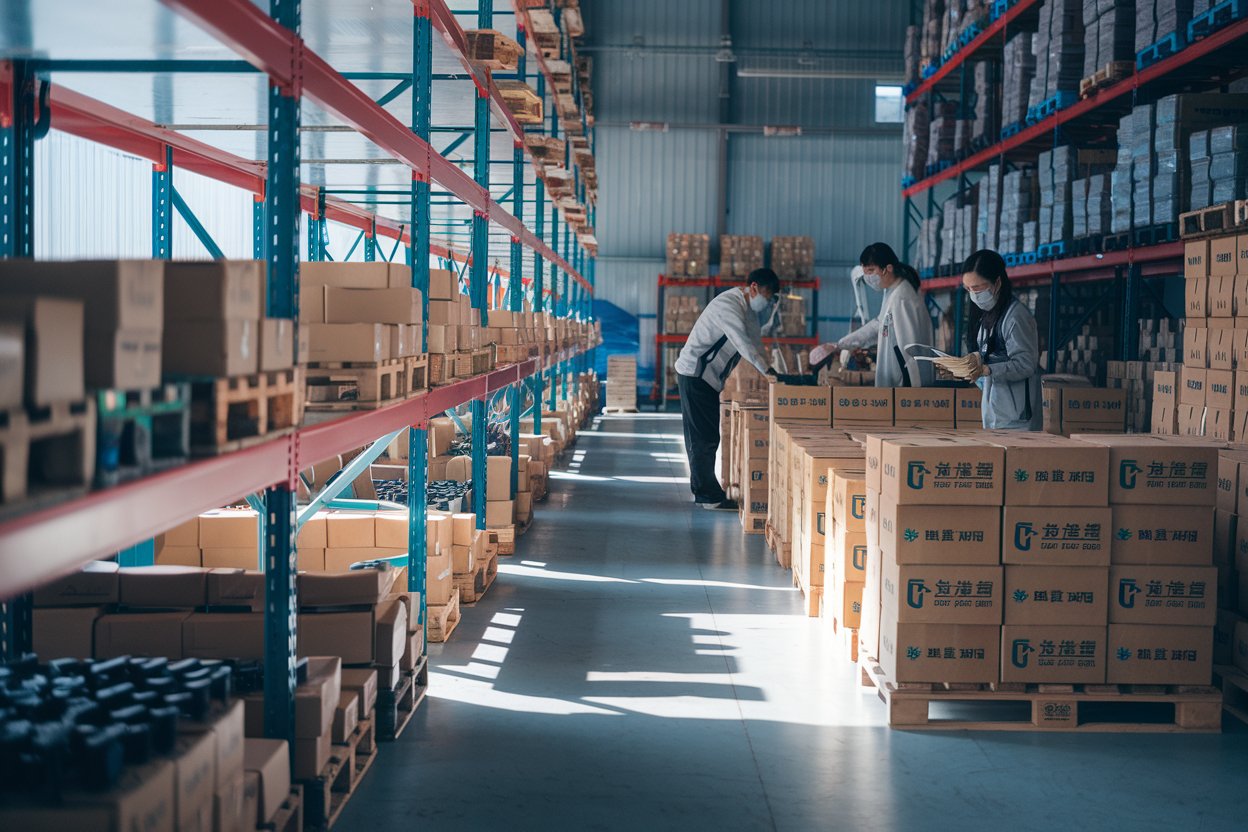
Why reliability matters for importers
I speak with buyers who supply DIY chains, hardware stores, and online platforms. They need stable models for long-term sales. When a supplier fails to control quality or delays production, it creates direct financial pressure. I have seen buyers lose entire seasons because their supplier did not deliver on time. These experiences show why reliability is a foundation of every successful product line.
Typical risks buyers face when the supplier is unstable
Many factories outsource work. Some use unstable component vendors. Others accept orders beyond their capacity. These weaknesses create real problems for buyers. A reliable supplier avoids these issues with controlled production, real QC systems, and clear documentation.
| Buyer Risk | Cause | Impact |
|---|---|---|
| Unstable quality | Outsourced production | High return rate |
| Delivery delays | Poor planning | Missed sales season |
| Certification issues | Incomplete files | Customs detention |
| Battery inconsistency | Low-grade cells | Short tool lifespan |
How reliable suppliers support long-term product lines
Reliable suppliers invest in stable supply chains, unified battery platform1s, and full compliance files. They maintain consistent processes that protect the importer. When a supplier delivers the same quality every time, the importer can expand their brand with confidence. This is the difference between short-term trading and long-term growth.
How to Verify Whether the Supplier Is a Real Manufacturer or a Trading Company?
Many importers cannot tell whether a supplier is a real factory. I see this problem often. Buyers choose a partner based only on price or catalog photos. They later discover that the supplier outsources production to small workshops.
You can verify a true manufacturer by checking factory ownership, production equipment, engineering staff, metal and plastic tooling capability, and in-house QC processes.
What a real factory looks like
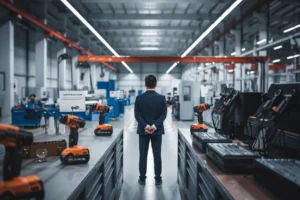
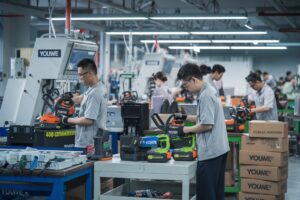
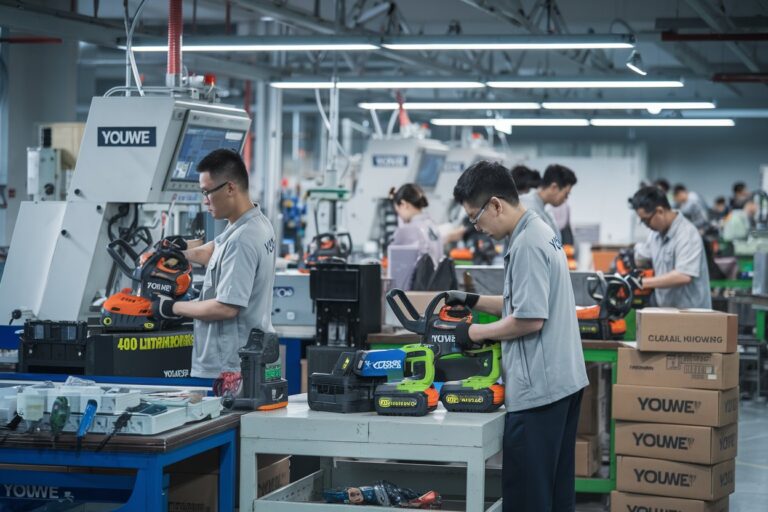
A real manufacturer has injection machinery, assembly lines, test benches, and battery assembly rooms. They have engineers who manage tooling, PCBA testing, and motor design. I often show buyers our production areas in video calls. A true factory can adjust structure, update performance, and solve technical issues. This is something trading companies cannot do.
How trading companies behave
Trading companies depend on other factories. They cannot control component quality. They cannot guarantee long-term consistency. They cannot provide full documentation. Many disappear when problems occur. I hear these stories from importers who learned these lessons through costly mistakes.
| Check Item | Real Factory | Trading Company |
|---|---|---|
| Own production lines | Yes | No |
| In-house QC | Yes | No |
| Engineering team | Yes | Limited |
| Battery platform control | Yes | No |
| Certification files | Complete | Often missing |
Simple methods to verify factory identity
Ask for a live video tour. Ask for photos of injection machines, assembly lines, battery testing equipment, and QC reports. A real factory always provides them. If a supplier avoids these requests, the buyer should be cautious. This simple test protects many importers from risk.
What Certifications and Compliance Documents Should a Reliable Supplier Provide?
European buyers often ask me what certificates they need. Many face customs delays because their supplier provided incomplete files. Batteries and power tools require specific documentation for Europe.
A reliable supplier provides CE, EMC, RoHS, UN38.3, MSDS, and a correct Declaration of Conformity for each model and battery pack.
Core certifications required for European imports
Garden tools must have CE and EMC test reports. Batteries require UN38.3 and MSDS. Some countries request noise testing. A proper supplier prepares full documentation before the first shipment. I send complete files to all partners so they can register products with retailers and customs without delay.
Why compliance files matter
Many shipments are held because labels do not match documents. Some suppliers copy files from unrelated models. This creates legal risk and financial loss. A reliable supplier uses true reports and supports correct labeling on products, batteries, and packaging.
| Document | Purpose | Applies To |
|---|---|---|
| CE | Safety compliance | All tools |
| EMC | Electromagnetic compliance | All tools |
| RoHS | Environmental requirement | European Union |
| UN38.3 | Battery transport | Lithium batteries |
| MSDS | Material safety | Transport |
| DoC | Importer certification | Customs checks |
How I help importers maintain compliance
I prepare documentation based on each market. Buyers in Italy and Spain often need detailed noise levels. Germany requires strict labeling rules. I guide partners through the correct structure. This helps them avoid clearance delays and product removal on platforms like Amazon and ManoMano.
How to Evaluate the Quality and Performance of Garden Tools Before Mass Order?
Quality testing is the most important step before confirming a supplier. I always encourage buyers to test samples with clear methods. A tool may look good, but performance reveals the truth.
You can evaluate quality by testing torque, runtime, blade strength, speed, balance, vibration, heating, and safety features.
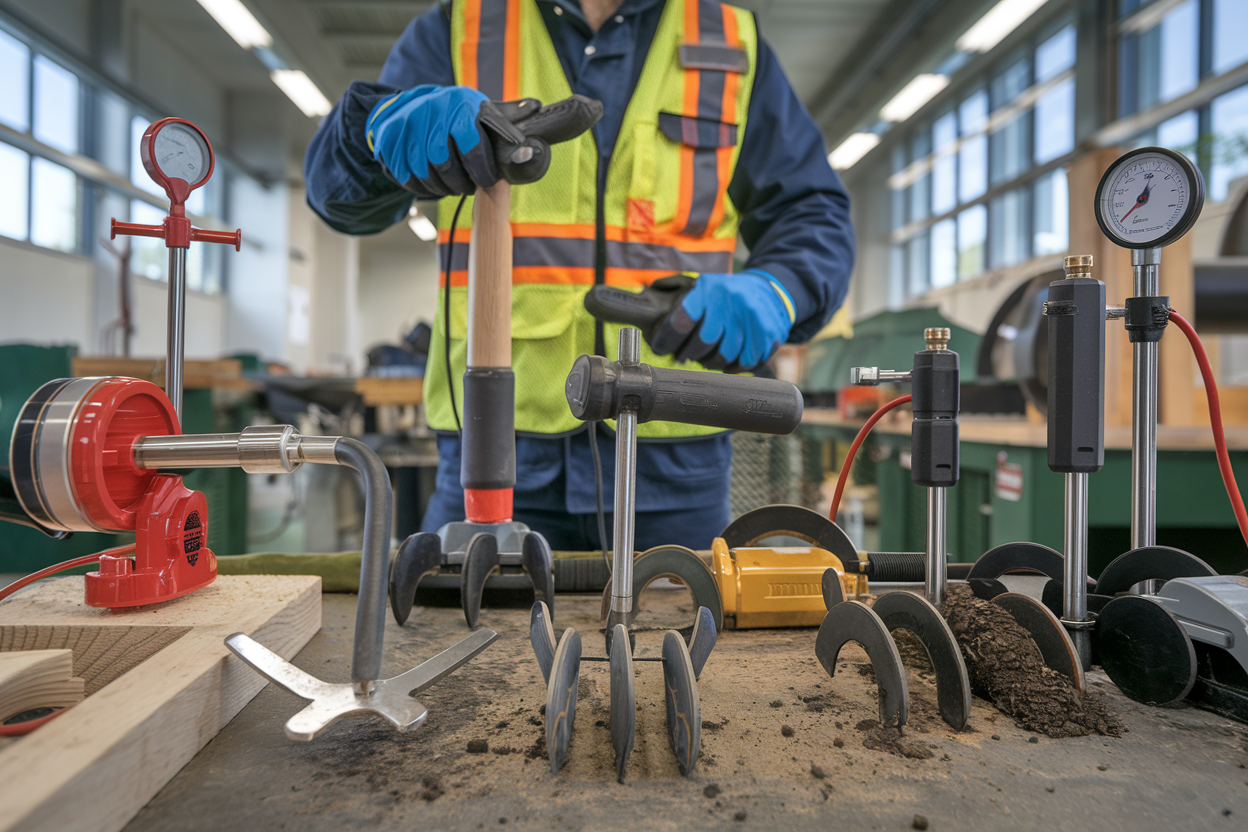
Key areas buyers should test
I ask buyers to test cutting speed, load capacity, runtime, vibration, and noise. They should compare samples under the same load. This shows the real engineering strength behind the tool. Many tools share a similar design, but the motor and battery quality creates a big difference in performance.
Performance indicators that show real quality
Performance testing reveals how stable the supplier’s production truly is. A good tool maintains power during continuous work. A weak tool loses speed quickly. These details cannot be hidden.
| Area | What to Check | Why It Matters |
|---|---|---|
| Battery | Cell grade, runtime | Determines lifespan |
| Motor | Speed, heating | Shows engineering level |
| Gearbox | Noise, vibration | Predicts durability |
| Blade or chain | Sharpness, hardness | Influences cutting |
| Safety system | Overload and brake | Protects users |
My advice for sample evaluation
I suggest buyers request a second sample after performance adjustments. A strong supplier can modify speed, torque, or structure based on feedback. This shows technical competence. It also reveals how serious the supplier is about long-term cooperation.
How to Evaluate Supplier’s OEM/ODM Capability for Your Brand?
OEM/ODM capability determines whether your brand can grow with stable support. Many suppliers only offer basic OEM service. They cannot support real development.
You can evaluate OEM/ODM strength by reviewing engineering capabilities, tooling experience, packaging design, and battery platform integration.
What strong OEM suppliers provide
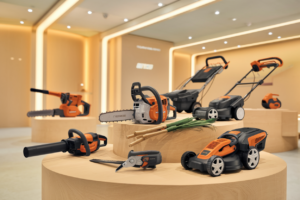
An OEM supplier offers stable models and supports custom colors, logos, and packaging. They follow a structured flow and prepare certifications early. Many importers prefer OEM for fast market entry. This works well for chainsaw, hedge trimmer, pruning shears, and grass trimmer projects.
What ODM suppliers provide for brand builders
ODM requires tooling, structural design, motor matching, and battery system planning. Only real factories with engineering teams can manage this. ODM is ideal for brands that want unique models or want to upgrade performance for Europe.
| Capability | OEM | ODM |
|---|---|---|
| Model base | Existing | Custom |
| Development time | 7–15 days | 60–120 days |
| Engineering level | Basic | High |
| Cost | Low | Medium to high |
| Market use | Fast launch | Brand expansion |
How I support OEM/ODM clients
I help importers choose between OEM and ODM based on their market. Buyers in Italy and Germany often want stronger motors. Buyers in Spain request new packaging identity. Buyers in Latin America prefer stronger batteries for hotter climates. I work with engineers to finalize prototypes and prepare stable production.
What Are the 5 Most Effective Ways to Identify a Reliable Garden Tool Supplier?
Many importers ask me for the simplest method to judge suppliers. They want clear steps that they can follow.
The five best methods are factory verification, certification review, sample testing, supply chain evaluation, and OEM/ODM capability2 assessment.
1. Verify factory identity
Check real production lines, equipment, engineers, and QC rooms. This is the fastest way to confirm capability.
2. Check certification completeness
A reliable supplier sends complete CE, EMC, RoHS, UN38.3, and MSDS files without delay.
3. Test product performance
Real performance shows real quality.
4. Review supply chain structure
Stable suppliers use fixed component vendors for motors, PCBs, blades, and batteries.
5. Evaluate OEM/ODM capability
Strong suppliers support long-term branding.
| Evaluation Area | What to Check | Why It Works |
|---|---|---|
| Factory | Lines, QC, engineers | Confirms stability |
| Certification | CE, EMC, battery docs | Prevents customs issues |
| Samples | Power, runtime, design | Shows true quality |
| Supply chain | Component sources | Predicts long-term support |
| OEM/ODM | R&D, design, tooling | Enables brand growth |
How buyers use these steps
I guide new buyers through these five steps. Many avoid critical mistakes by following this simple structure. These methods work for importers in Europe, Latin America, and beyond.
How Does YOUWE Support Importers in Building Reliable Garden Tool Product Lines?
YOUWE was built around stable battery platforms, strong QC, and clear documentation. These strengths help importers build long-term brands.
YOUWE supports importers with controlled production, full certifications, unified battery platforms, fast OEM service, and strong ODM engineering.
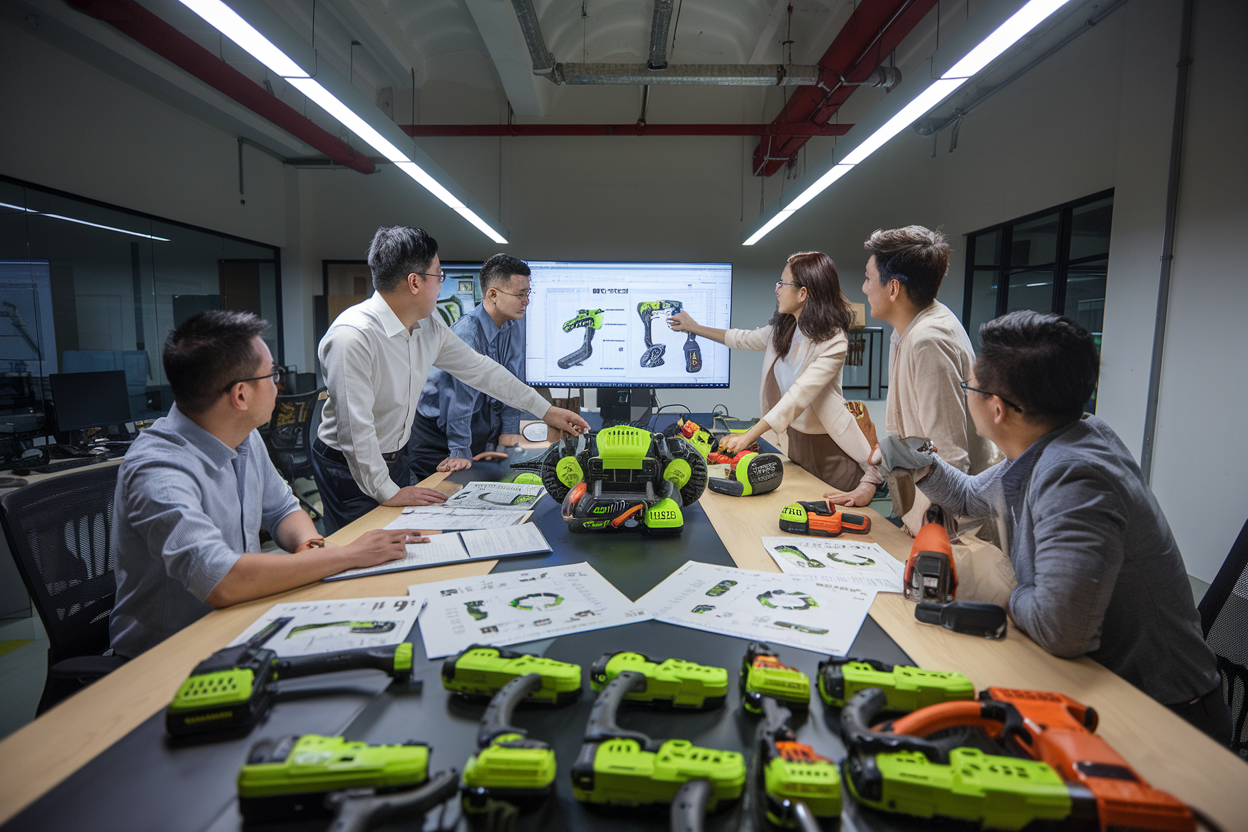
Why YOUWE’s production system matters
We manage injection, motor assembly, battery assembly, performance testing, and packaging in-house. This keeps every model stable across batches. Buyers from Italy, Spain, Germany, and Romania tell me this is the reason they trust us.
How YOUWE supports long-term branding
We help brands build unified battery platforms, consistent packaging, and balanced tool lines. We prepare certification files and adjust performance based on the importer’s market.
| YOUWE Strength | Benefit to Importer |
|---|---|
| 21V/40V unified battery platform | Full range product line |
| Strong QC | Stable quality |
| Fast OEM | Short lead time |
| Real ODM team | New model creation |
| Complete documentation | Smooth customs clearance |
How importers work with us?
Many start with OEM. After they confirm quality, they expand to more models. Later, some request ODM upgrades. This step-by-step approach helps them grow with low risk.
Conclusion
Importers can avoid risk by verifying real manufacturing capability3, checking certifications, testing samples, evaluating supply chains, and reviewing OEM/ODM strength. When they choose a reliable supplier, they protect their brand and secure long-term growth in their market. This structure helps them work with confidence and plan their next steps.