
I speak with many new buyers who want to enter the European garden tool market. Many feel pressure because they do not fully understand certifications, import steps, product planning, or MOQ rules. They want to move fast, but they fear making early mistakes.
You can become a garden tool distributor in Europe when you follow certification rules, plan your first order cost, understand import steps, and build a stable product line with a trusted OEM or ODM supplier in China.
I want to share what I see every day when I talk with buyers in Italy, Spain, Germany, Poland, and other European countries. They grow faster when they follow a clear roadmap. I hope my experience at YOUWE Garden Tools can help you start with less stress and more confidence.
What Certifications Must Garden Tools Have to Sell Legally in Europe?
Many new distributors are unsure which certifications are required in Europe. They hear different answers from different suppliers. This creates confusion and fear. I hear this every month at trade shows and in online meetings.
Garden tools must meet CE, EMC, RoHS, and in some cases GS. All lithium batteries must meet UN38.3 transport rules.
Why CE Matters for All Garden Tools
CE is required for any electric or battery-powered tool sold in the European Union. Some buyers think CE is a simple sticker. It is not. CE includes safety checks for structure, battery, EMC, electrical parts, and warnings. I send full CE packages to my customers, not just a test report. A complete CE file includes the manual, circuit layout, declaration, risk analysis, and label details. Customs often check these files. If they are incomplete or inconsistent, the shipment may stay in the port.
Why EMC and RoHS Are Always Required
EMC ensures the tool does not interfere with other electronic1. RoHS checks material safety and heavy metal content. Both are required across Europe. Most retail stores, especially in Germany, France, and Italy, will not accept products without EMC and RoHS. These files protect the distributor from compliance problems.
When GS Is Needed for the German Market
GS is not required by law, but it gives a strong trust advantage in Germany. Some chains or distributors only accept GS for chainsaws, hedge trimmers, or high-power tools. GS includes deeper structure and safety checks. YOUWE uses TUV labs for GS testing. German buyers like this because they want stable files and zero safety risk.
Battery Certifications for 21V and 40V Tools
Battery tools require UN38.3 tests to confirm safe transport. Some buyers ask for IEC62133 for extra safety checks. Without UN38.3, batteries cannot ship by air. I prepare full battery documentation for my partners, including test reports, BMS layout, MSDS, and transport papers.
| Certification | Mandatory | Market Use | Notes |
|---|---|---|---|
| CE | Yes | All EU | Required for sales |
| EMC | Yes | All EU | Required for electronics |
| RoHS | Yes | All EU | Material safety |
| GS | No | Germany | Higher safety reputation |
| UN38.3 | Yes | Global | Battery transport |
| IEC62133 | Case by case | Extra safety | Some retailers request |
My Advice from Real Work
I always ask new distributors to review the full certification pack before payment. This prevents risk. I have met buyers stuck with fake CE and shipments blocked for months2. They paid storage fees and lost the selling season. This happens often with new suppliers. Certification is more than compliance. It builds trust for your brand. When files are complete and clean, you enter the market quickly and avoid customs problems.
What Are the Startup Costs and Minimum Order Requirements for Distributors?
Many new distributors want to know how much money they need to start. They want a clear picture of MOQ, packaging cost, samples, and shipping. I see this question in early conversations with buyers from Italy, Spain, Romania, Poland, and Portugal.
Most new distributors start with 8,000 to 25,000 USD. This includes MOQ, samples, shipping, branding, and spare parts.
How MOQ Works for Garden Tools
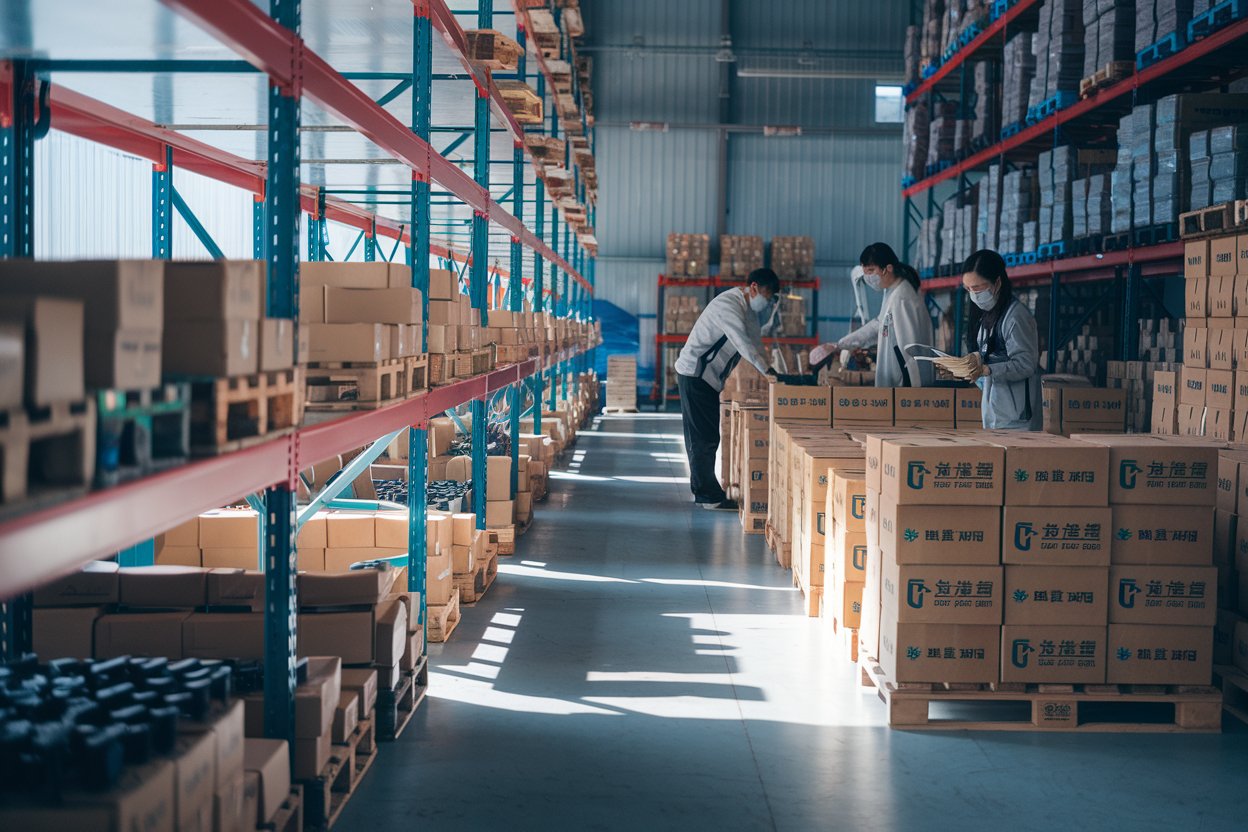
Factories set MOQ based on parts and production cost. Some factories have high MOQ because they want large orders only. YOUWE keeps MOQ flexible for new markets. Most cordless tools start at 200 to 500 pieces per model. Private label orders may require higher MOQ because of box printing and color parts. I help new buyers choose SKUs with lower MOQ so they can test the market.
What Affects the First Investment Cost
Startup cost is not only the tools. It includes:
- samples
- packaging design
- shipping (air or sea)
- certification files
- spare parts
- warehouse handling
Many new distributors forget to budget for service parts and extra batteries. Without these, after-sales becomes difficult. A controlled first order helps avoid cash pressure and gives time to understand the market.
Typical Startup Cost Breakdown
| Cost Item | Typical Range | Notes |
|---|---|---|
| Samples | 300–800 USD | 3–6 test units |
| First order | 6,000–20,000 USD | Based on SKUs |
| Packaging design | 200–500 USD | OEM branding |
| Documents | Included | CE, EMC, RoHS |
| Shipping | 600–3,000 USD | Based on weight |
| Spare parts | 300–600 USD | Needed for after-sales |
Many strong distributors begin with 3–5 SKUs. They expand after they know the best sellers.
Why Cost Control Matters in Europe
Europe has a stable but competitive market. New distributors often fail because they buy too many SKUs at once. They invest heavy money without testing demand. I tell buyers to start with fewer SKUs and focus on battery platforms. Clean documents and stable performance help build a brand faster than many SKUs.
My Advice from Real Work
I build cost plans with every new distributor. We discuss their channels, their target buyers, their battery strategy, and season timing. A clear plan reduces waste and helps them move with confidence. Many Italian, Spanish, and German buyers have grown quickly following this model.
How to Import Garden Tools into Europe (Step-by-Step)?
New distributors often feel unsure about import procedures. They worry about customs, documents, and delays. They want a step-by-step guide.
You can import garden tools into Europe when you confirm documents early, choose the correct shipping method, prepare customs files, and inspect goods on arrival.
Step 1: Confirm All Certifications Before Payment
This is the most important rule. Documents must be checked before payment. You need CE, EMC, RoHS, and UN38.3. If you sell in Germany, GS may be needed. You must check that the label, model number, and manual match the documents.
Step 2: Choose the Right Shipping Method
Shipping method depends on order size and season:
| Shipping | Time | Use Case |
|---|---|---|
| Sea | 30–45 days | Bulk orders |
| Air | 5–12 days | Samples or urgent |
| Train | 18–25 days | Central Europe |
| Truck | 20–25 days | EU door-to-door |
Air is fast but expensive. Sea is stable. Truck is good for EU buyers because customs clearance is included.
Step 3: Prepare Customs Documents
European customs check:
- CE file
- Invoice
- Packing list
- UN38.3
- COO
- HS codes
I prepare these files before shipment, so my partners avoid delays. Missing documents cause long clearance times.
Step 4: Inspect Goods After Arrival
When goods arrive, distributors must inspect at least 2% of the shipment. They check labels, batteries, packaging, and model numbers. This step protects their brand image.
My Advice from Real Work
Importing becomes simple when the process is clear. All successful distributors I work with follow these steps: prepare early, check documents, plan shipping based on season, and work with a trusted customs agent.
How to Build Your Own Private Label Garden Tool Brand?
Private label gives distributors higher margin, stronger control, and better long-term growth. Many European buyers move from reselling big brands to building their own brand.
A private label brand requires model selection, battery platform design, packaging work, branded documents, and a strong OEM or ODM supplier.
Step 1: Build the Brand Structure
A brand needs a name, a color theme, and simple packaging. Strong packaging helps sales both online and offline. YOUWE helps buyers design boxes that follow CE rules and look professional.
Step 2: Build a Battery Platform
A battery platform is the heart of a private label. With a shared 21V or 40V system, customers buy more tools without needing new batteries. This creates long-term repeat sales. YOUWE helps partners build these platforms for chainsaws, blowers, pruners, drills, and grinders.
Step 3: Packaging and Manual Work
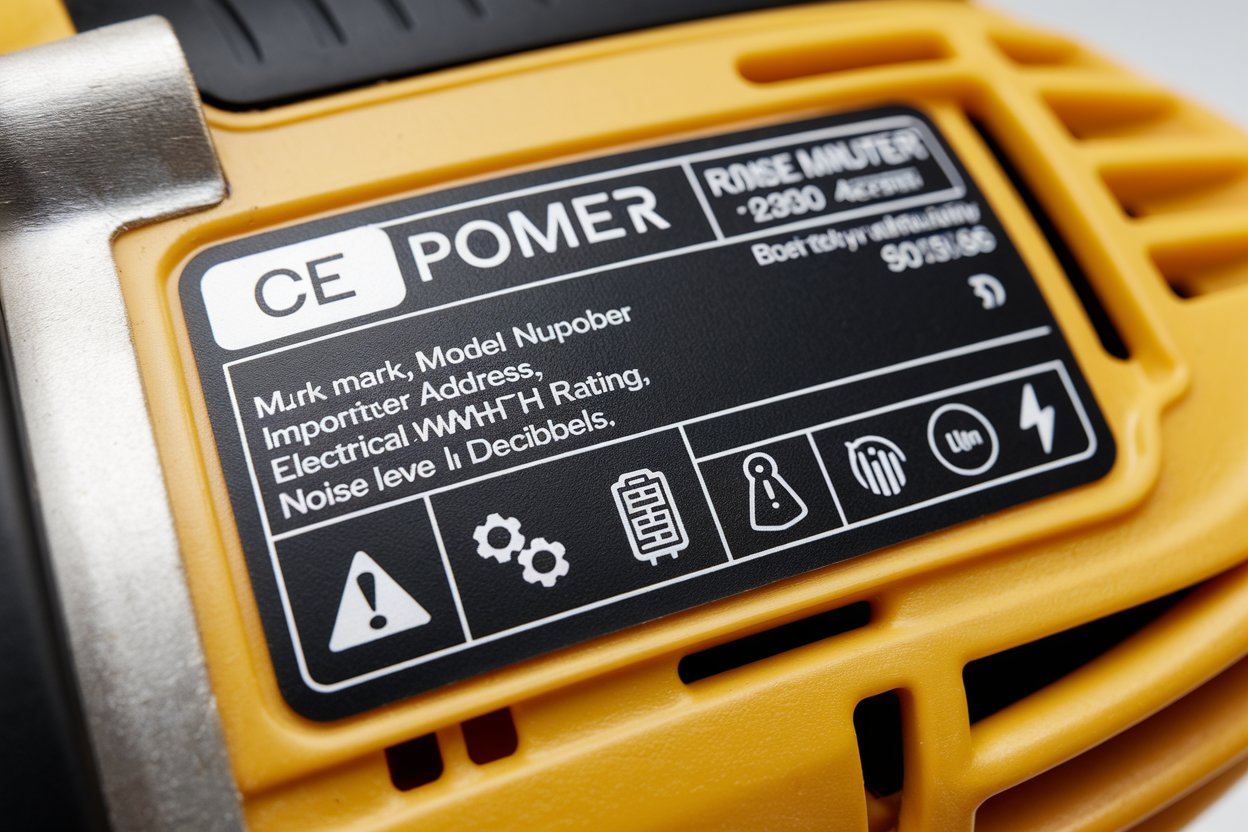
Packaging must show CE marks, warnings, recycling icons, and model numbers. Manuals must be clear and follow EU rules. Good packaging increases trust immediately.
Step 4: Certification With Your Brand Name
Certification must show your brand name. Files with the wrong brand cause customs issues. YOUWE updates CE, EMC, and RoHS files for private label buyers so they enter the market safely.
| Brand Work Item | Required | Notes |
|---|---|---|
| Logo | Yes | Clean and simple |
| Box design | Yes | Must follow CE |
| Manual | Yes | Includes warnings |
| Certification with brand name | Yes | Required for customs |
| Model lineup | Yes | Begin with 3–5 SKUs |
My Advice from Real Work
The distributors who grow fastest begin with a small but stable lineup, build a strong battery platform, and maintain clean documents. Consistency builds trust in Europe.
What Profit Margins Can Garden Tool Distributors Expect?
Every new distributor asks about profit. They want to know if the business is worth the investment.
Most distributors in Europe earn 25–45% margin. Some tools, such as pruners and chainsaws, bring even higher profit.
Why Battery Tools Bring Higher Margin
Tools with batteries always bring higher margin. This is why many brands sell kits. Distributors often sell body-only versions for volume and earn extra margin from battery sales. This model works well in Italy, France, Germany, and Spain.
Which Tools Bring the Best Margin
Chainsaws, pruners, and blowers are strong categories. Hedge trimmers, drills, and angle grinders offer stable volume.
| Tool Type | Margin | Notes |
|---|---|---|
| Chainsaw | 30–45% | High season demand |
| Pruner | 35–50% | Top margin |
| Blower | 25–40% | All-year sales |
| Drill | 20–35% | Stable volume |
| Grinder | 25–40% | Higher with kits |
| Hedge trimmer | 25–35% | Seasonal |
How Distributors Increase Margin
Distributors improve margin through:
- better packaging
- battery platform strategy
- combo sets
- spare parts sales
- private label branding
Margin grows when the brand looks professional and documents are complete.
My Advice from Real Work
Strong distributors focus on stable models, clean documents, and long-term battery systems. These steps create higher profit and long-term market position.
Conclusion
A successful garden tool distributor in Europe needs correct certifications, stable cost control, a clear import plan, and a battery platform strategy. With complete documents, good planning, and a trusted supplier, new distributors can grow fast and avoid early risks. I hope the experience I shared from YOUWE Garden Tools helps you make confident decisions.