
Choosing the right chainsaw for professional work can be overwhelming with so many options. Using the wrong type can lead to wasted time, higher costs, and operator fatigue. In this article, we break down the differences between cordless and gas-powered chainsaws, so you can choose the right tool for your business.
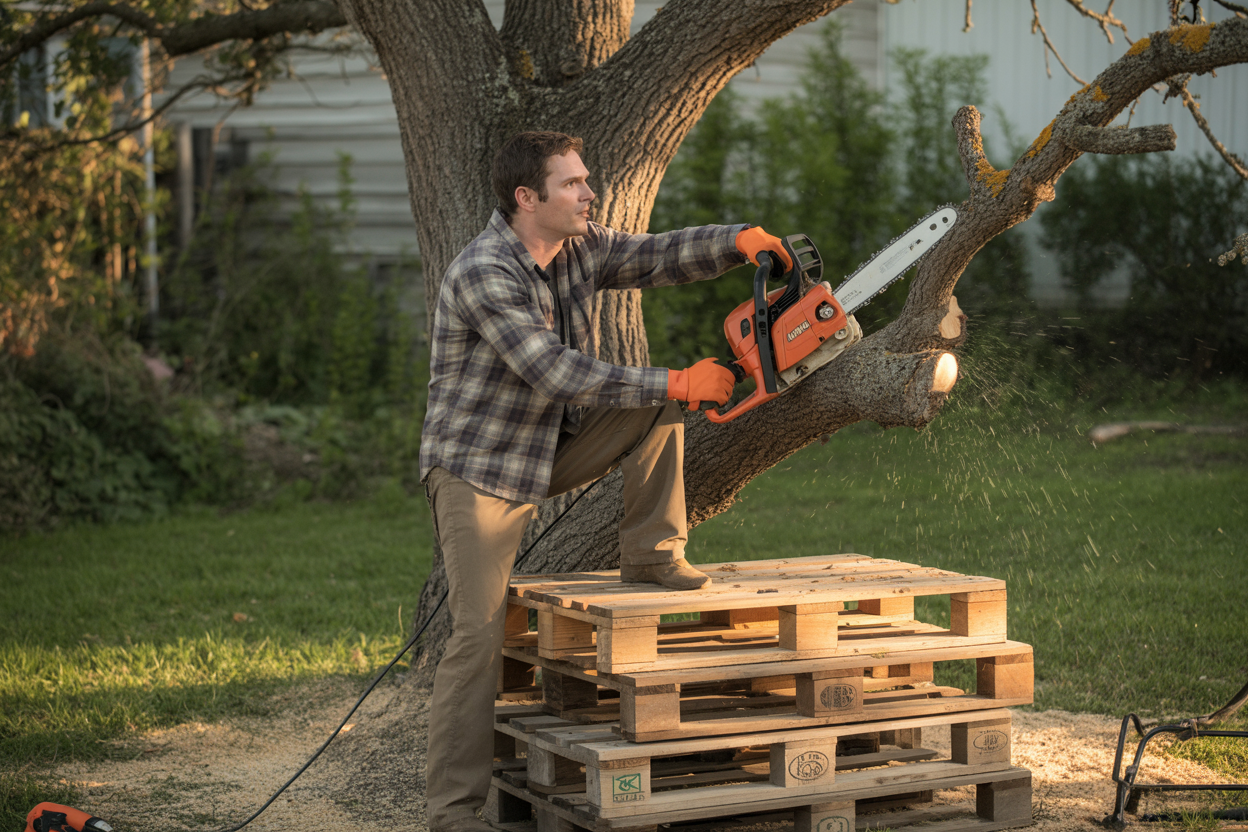
Cordless chainsaws are ideal for urban landscaping and light-duty work, while gas chainsaws excel in heavy-duty logging and continuous operation.
Let’s dive deeper into how each type performs, their pros and cons, and which one fits specific professional scenarios.
How Do Cordless and Gas Chainsaws Compare in Power and Cutting Performance?
Power and cutting performance are often the first consideration for professional buyers. Understanding the capabilities of cordless versus gas chainsaws1 ensures you choose a tool that meets your workload requirements.
Cordless chainsaws have improved dramatically with brushless motors and high-voltage batteries, but gas chainsaws still hold the edge for sustained heavy-duty cutting.
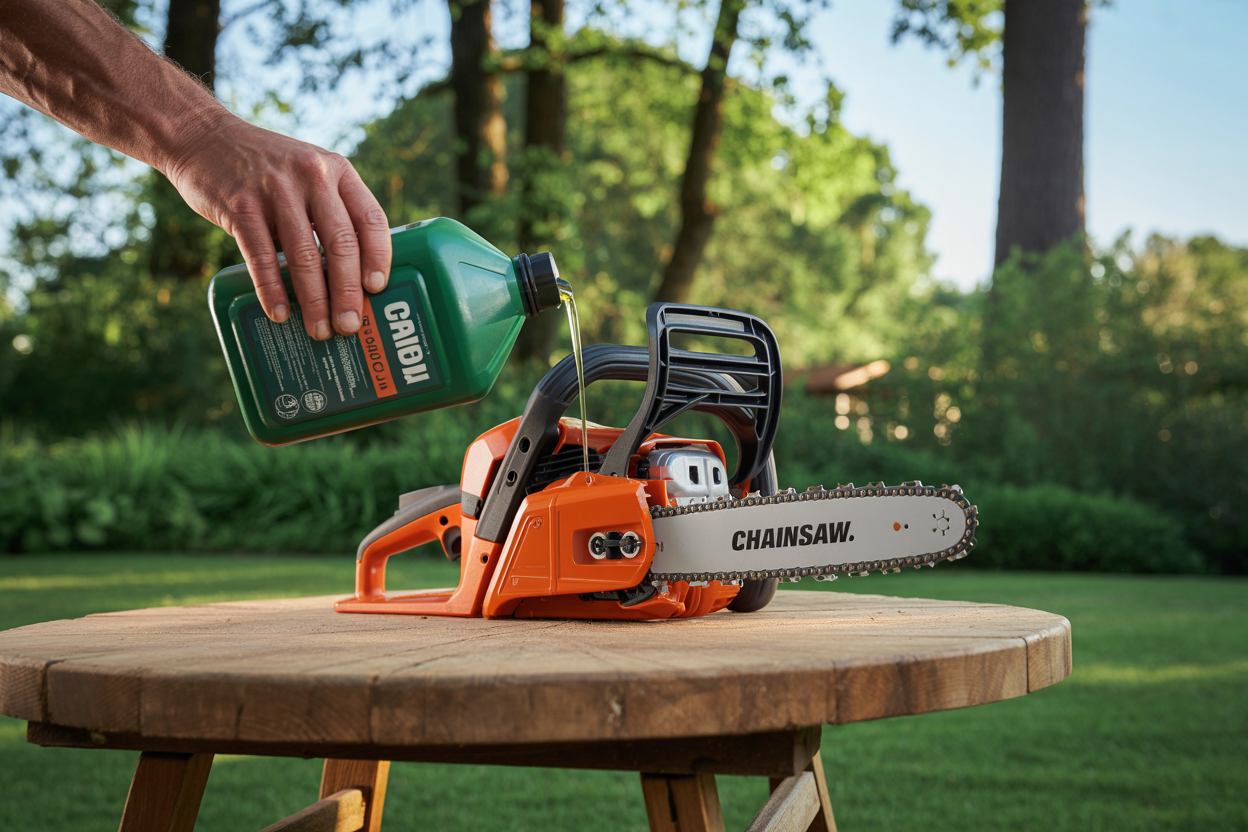
- Cordless: 40V–60V batteries, up to 8,000 RPM, suitable for pruning and medium logs
- Gas: 50cc–60cc engines, consistent torque for large logs and long-duration cutting Cordless Chainsaw Collection.
Which Chainsaw Lasts Longer During Continuous Use?
Runtime is critical for professionals who need reliable performance during long workdays. Battery life and fuel capacity can impact job efficiency significantly.
Gas chainsaws can operate continuously as long as fuel is available, while cordless models rely on battery swaps but modern quick-change batteries reduce downtime effectively.
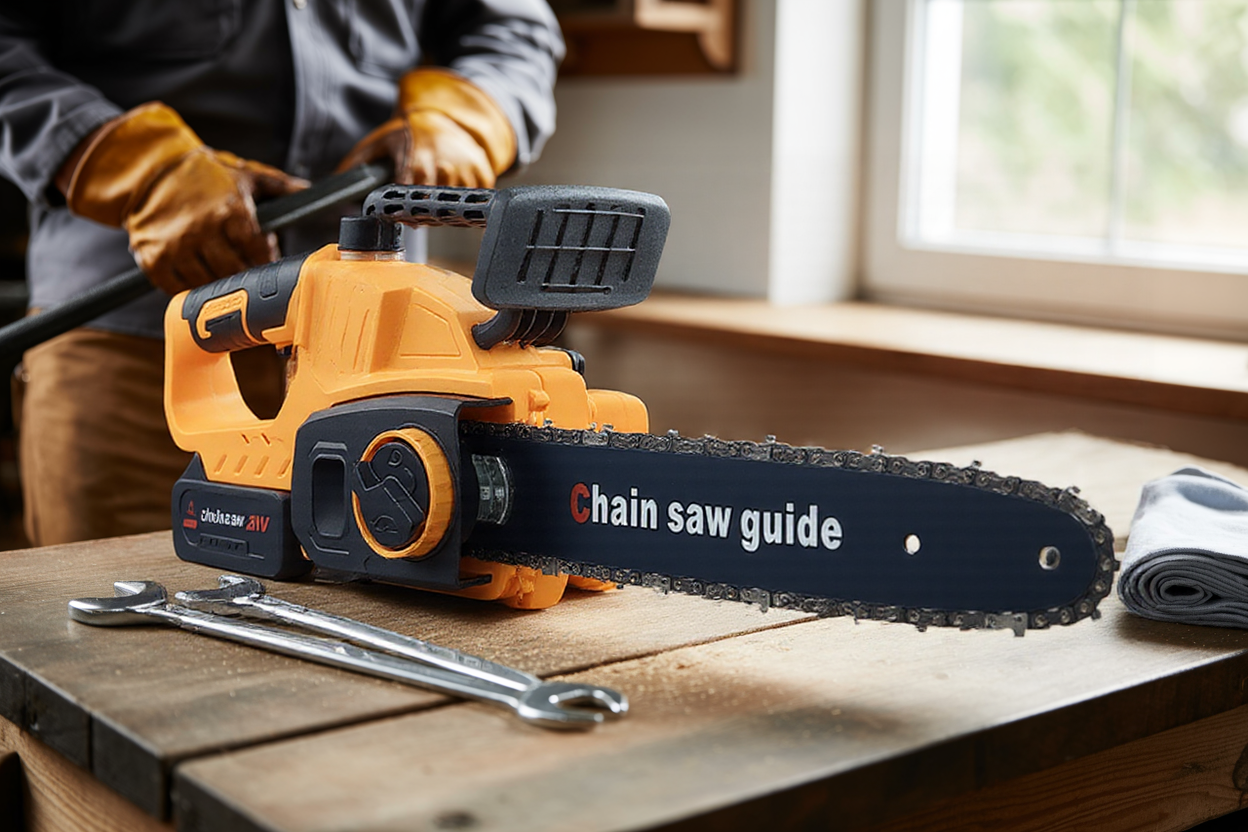
- Typical cordless runtime: 40–60 minutes per battery
- Quick-swap batteries extend operation without interruption
- Gas chainsaws can handle full-day heavy logging without refueling interruptions
What Are the Maintenance Requirements and Long-Term Costs?
Maintenance and total ownership costs are key factors for professional buyers. Choosing a chainsaw with lower upkeep can save time and money over years of operation.
Cordless chainsaws require minimal maintenance, while gas chainsaws demand frequent servicing, including air filters, spark plugs, and fuel management.
- Cordless: clean chain/bar, battery care
- Gas: replace spark plugs, clean air filters, manage fuel
- Over 3 years, gas chainsaws often cost 20–30% more in maintenance
- Internal link: Pruning Shear Maintenance Tips
Which Type Offers Better Comfort, Noise Control, and Vibration Reduction?
Operator comfort affects productivity and safety, especially during long work sessions. Noise levels and vibration can significantly impact user fatigue.
Cordless chainsaws are lighter, quieter, and vibrate less than gas models, reducing fatigue and improving comfort.
- Noise levels: 85–90 dB (cordless) vs 100–115 dB (gas)
- Vibration reduction improves safety and usability
- External link: EU Noise Regulations
Which Chainsaw Is Best for Professional Logging, Landscaping, or Tree Surgery?
Different professional tasks require different types of chainsaws. Choosing the right tool ensures efficiency and safety for each specific scenario.
Cordless chainsaws are ideal for urban landscaping and tree surgery, while gas chainsaws remain the choice for industrial logging and remote jobs.
| Application | Recommended Type | Example |
|---|---|---|
| Logging | Gas-powered | 58cc Gas Chainsaw |
| Landscaping | Cordless | 40V Cordless Chainsaw |
| Tree Surgery | Cordless | 8-inch Mini Chainsaw |
Conclusion
In summary, choosing between cordless and gas chainsaws depends on your specific professional needs. Cordless chainsaws2 offer portability, lower noise, and less maintenance, making them perfect for landscaping and pruning. Gas chainsaws deliver superior raw power and endurance, ideal for heavy-duty logging. Consider your workflow, job environment, and long-term ROI when making your decision.
FAQ
Are cordless chainsaws powerful enough for professionals?
Yes, modern 40V–60V brushless chainsaws can handle medium-duty tasks comparable to mid-range gas models.
How long does a cordless chainsaw battery last?
Typically 40–60 minutes per charge; carrying a spare battery extends operational time.
What’s the main maintenance difference between cordless and gas chainsaws?
Cordless: bar/chain and battery care. Gas: air filter, spark plug, fuel management.
Can cordless chainsaws handle wet conditions?
Most models are splash-resistant but not fully waterproof. Avoid using in heavy rain.
Are cordless chainsaws better for the environment?
Yes, they produce zero exhaust emissions and are quieter than gas-powered models.