


The EU Battery Regulation 2023/15421 is now reshaping how every cordless tool, lithium battery, and battery-powered garden product enters the European market. As a manufacturer with over 20 years of experience in lithium garden tools, I wrote this guide to help importers understand the regulation clearly and avoid compliance risks.
I understand the real concerns importers face: clearance delays, missing documents, unexpected penalties, or products being removed from the market. This guide will help you eliminate those risks from the beginning.
What Is the EU Battery Regulation 2023/1542?
The EU Battery Regulation 2023/1542 is a legally binding framework that defines safety, labeling, traceability, and sustainability requirements for all batteries sold in Europe—including lithium packs used in cordless garden tools.
This new regulation replaces the outdated Battery Directive and introduces far stricter rules covering the full lifecycle of batteries.
Which Products and Batteries Are Covered Under This Regulation?
The regulation applies to all rechargeable lithium batteries, including swappable 21V and 40V packs, built-in tool batteries, and detachable power packs used in cordless garden equipment.
If your product contains a lithium cell or pack, it must comply. This includes swappable platforms, built-in tool batteries, removable packs, and chargers paired with lithium batteries2.
What Are the Key Compliance Requirements for Importers?
Importers must verify CE conformity, ensure valid EU testing, comply with updated labeling rules, register under EPR systems, maintain technical documentation, and ensure UN38.3, recyclability, and traceability compliance for every battery.
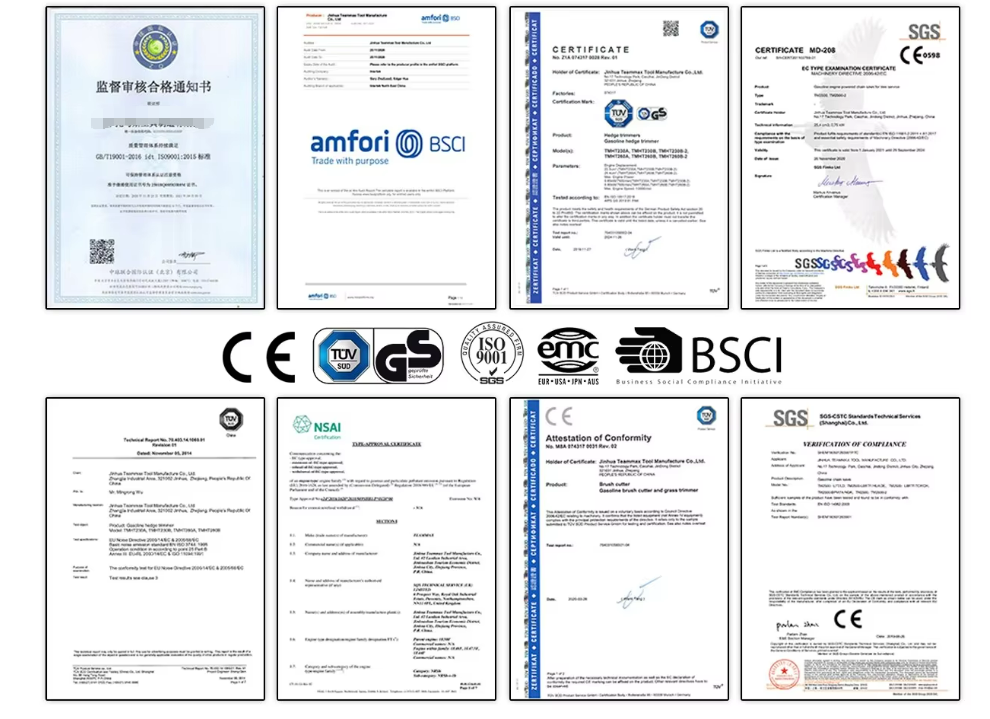
As someone who works closely with European importers daily, I understand that Regulation 2023/1542 has changed their role completely. Importers are no longer just buyers—they are legally responsible for every battery placed on the EU market.
1. Ensuring CE Conformity and Valid EU Testing
Importers must confirm that each tool and battery complies with EU harmonized standards such as EN/IEC 62133-2, EN/IEC 60335, EMC, and RoHS. YOUWE provides a complete CE file pack for every model.
2. Verifying UN38.3 Compliance for All Lithium Batteries
Every lithium battery must pass UN38.3 tests. YOUWE provides certified UN38.3 test summaries and full reports for every battery model.
3. Meeting New EU Labeling and Marking Requirements
Every battery must display capacity (Wh), chemistry, safety warnings, recycling icons, manufacturer information, and traceability codes. YOUWE prepares OEM labels compliant with the regulation.
4. Ensuring Traceability and Transparency
Importers must confirm the traceability of cells, PCB, BMS, battery materials, and final assembly. YOUWE provides full documentation from the cell to the finished pack.
5. Providing Sustainability and Recyclability Documentation
The regulation requires material composition declarations, recyclable material percentages, and environmental compliance files.
6. Completing EPR (Extended Producer Responsibility)
Importers must register under EPR systems, report annual volumes, and meet recycling obligations. YOUWE provides all necessary technical details for EPR submissions.
7. Maintaining a Complete Technical Documentation File
YOUWE supplies CE, UN38.3, MSDS, label files, manuals, packaging specifications, and traceability documentation in a structured master folder.
8. Ensuring Supplier Responsibility
YOUWE guarantees authentic documentation, transparent QC, and compliance support—avoiding the risks associated with non-compliant suppliers.
What Documents Must Importers Prepare Before Shipping to Europe?
Required documentation includes CE test reports, DoC, UN38.3, MSDS, RoHS/EMC compliance, updated battery labels, packaging declarations, and battery specifications.
YOUWE consolidates all required documents into an organized compliance folder for easy customs review.
What Are the Penalties and Risks for Non-Compliance?
Non-compliant shipments may face customs blockage, forced recalls, fines, relabeling orders, or removal from the EU market, resulting in serious financial and reputational losses.
Consequences include detentions, recalls, fines, product destruction, and permanent damage to a brand’s reputation.
How Does YOUWE Ensure Full Compliance With EU Battery Regulation?
YOUWE ensures full compliance through in-house battery assembly, CE/UN38.3 documentation, updated labeling, transparent quality control, and complete regulatory support.
Our system includes 21700 battery pack assembly, complete CE documentation3, UN38.3 testing, multilingual manuals, and full traceability.
How to Start a Fully Compliant Project With YOUWE?
A compliant EU-ready project begins with regulatory discovery, continues with a structured compliance plan, includes sample-level verification, and ends with full certification and documentation before mass production.
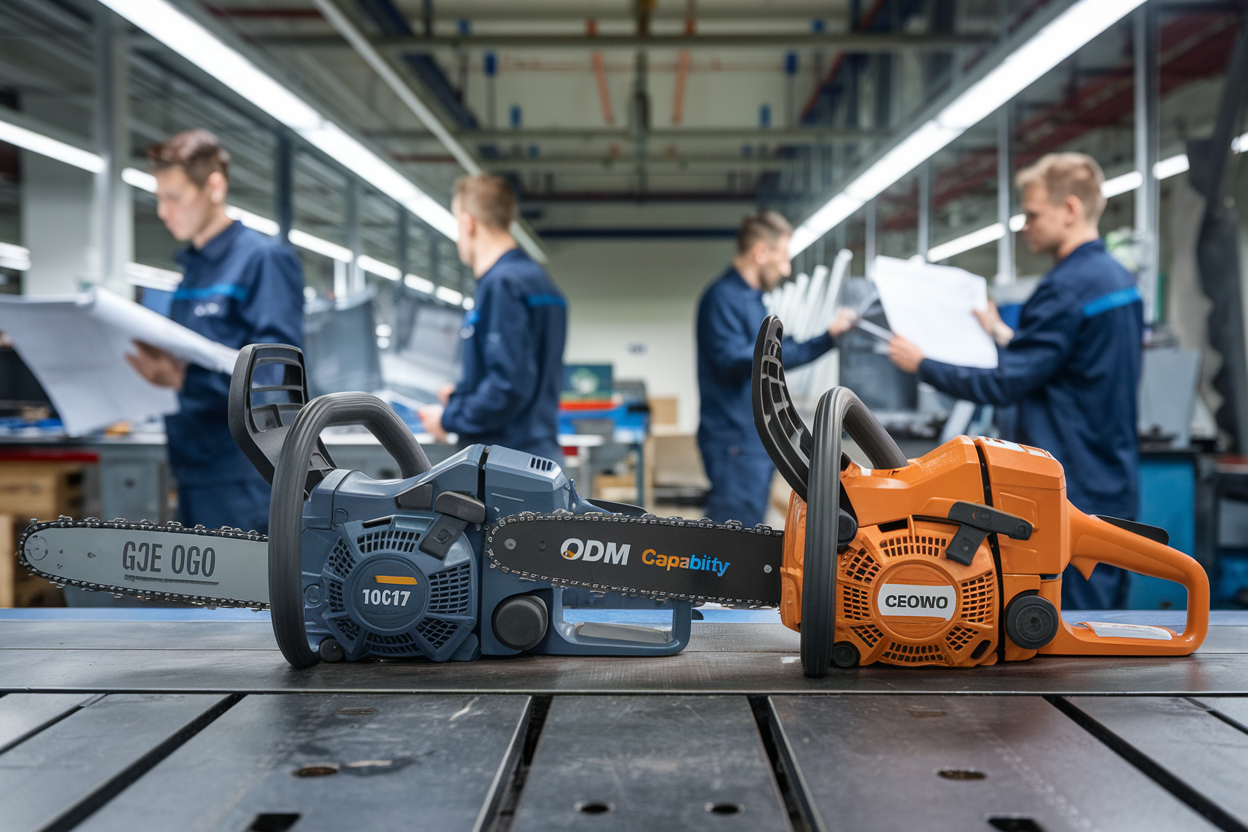
As an OEM/ODM supplier for Europe, I know exactly what professional importers4 need: structure, transparency, stability, and guaranteed compliance. That’s why we built a four-stage EU-compliant project system.
1. Project Discovery
We begin by understanding your destination market, voltage platform, OEM/ODM needs, packaging languages, compliance obligations, EPR responsibilities, and future Battery Passport requirements.
2. Compliance Mapping
We prepare a customized compliance plan that includes required EN/IEC test standards, labeling strategy, manual and packaging requirements, UN38.3 testing timeline, Battery Passport preparation, traceability checklist, and EPR guidance.
3. Sample-Level Compliance Execution
YOUWE delivers compliant sample packages—not just samples.
Included:
- Label drafts
- Manual drafts
- Packaging artwork
- CE preliminary documentation
- UN38.3 summary
- MSDS
- Technical data sheets
Internal tests:
- Battery discharge
- BMS protection
- Vibration
- Drop test
- Motor durability
- Charger temperature tests
4. Production & Certification
During production:
- Battery welding photos
- Cell QC data
- Assembly QC
- Packaging QC
- Pre-shipment inspection reports
Before shipment:
You receive the full YOUWE EU Compliance Master Folder, including:
- CE Declaration of Conformity
- Complete test reports
- Label files
- Multilingual manuals
- UN38.3
- MSDS
- Packaging documentation
- Traceability data
- Battery specifications
- EPR support
- Battery Passport preparation file
What Support Can YOUWE Provide for CE, 2023/1542, and Battery Passport Requirements?
YOUWE provides CE and 2023/1542 documentation, OEM labeling, Battery Passport preparation, EPR guidance, multilingual manuals, and coordinated testing for full compliance.
Our team ensures your products meet all EU market entry requirements5 without delays or hidden risks.
How Will the New Regulation Affect Cost, Lead Time, and Supply Chain Planning?
The regulation increases documentation, labeling, and testing requirements, which may add preparation time but does not significantly delay standard OEM/ODM production cycles.
Expected impacts include slightly longer preparation times and minor compliance-related costs.
Conclusion
Choosing a compliant supplier is essential for meeting the EU Battery Regulation 2023/1542. YOUWE delivers CE-ready tools, full documentation, and end-to-end regulatory support to simplify your European imports.
With YOUWE, your products are future-proof, CE-ready, and compliant with the world’s strictest battery regulations.
FAQ – EU Battery Regulation 2023/1542
Q1: When does the EU Battery Regulation 2023/1542 become fully mandatory?
Requirements roll out from 2024 to 2027.
Q2: Do cordless garden tools need to comply?
Yes. Any product with a rechargeable lithium battery must comply.
Q3: Who is responsible for compliance?
Importers are legally responsible, but YOUWE provides all required documents.
Q4: Is UN38.3 required for lithium batteries?
Yes. UN38.3 is required for all lithium battery shipments.
Q5: What is the Battery Passport?
A digital battery data system required in phases beginning 2026.
Q6: Do OEM/ODM products also need to comply?
Yes. Private-label products must follow the same rules.
Q7: What if a supplier cannot provide CE or battery documentation?
Shipments may be rejected or fined—avoid such suppliers.
Q8: Can YOUWE update labels, manuals, and packaging?
Yes. We redesign all documentation to meet EU requirements.
Q9: Will the regulation increase cost?
Slightly, due to documentation and testing requirements.
Q10: How do I confirm whether a supplier is compliant?
Request CE, UN38.3, MSDS, and labeling files before ordering.
-
Explore this link to understand the comprehensive framework shaping battery compliance in Europe. ↩
-
Learn about the specific requirements for lithium batteries to ensure compliance and avoid penalties. ↩
-
Understanding CE documentation is crucial for ensuring compliance with EU regulations, avoiding penalties, and facilitating market entry. ↩
-
Explore this resource to gain insights on compliance, documentation, and best practices for importers navigating EU regulations. ↩
-
Understand the essential market entry requirements to successfully launch your battery products. ↩