
Many European importers I’ve met over the years share the same frustration:
They want to build their own brand of cordless garden tools, but they don’t know whether to start with OEM or ODM.
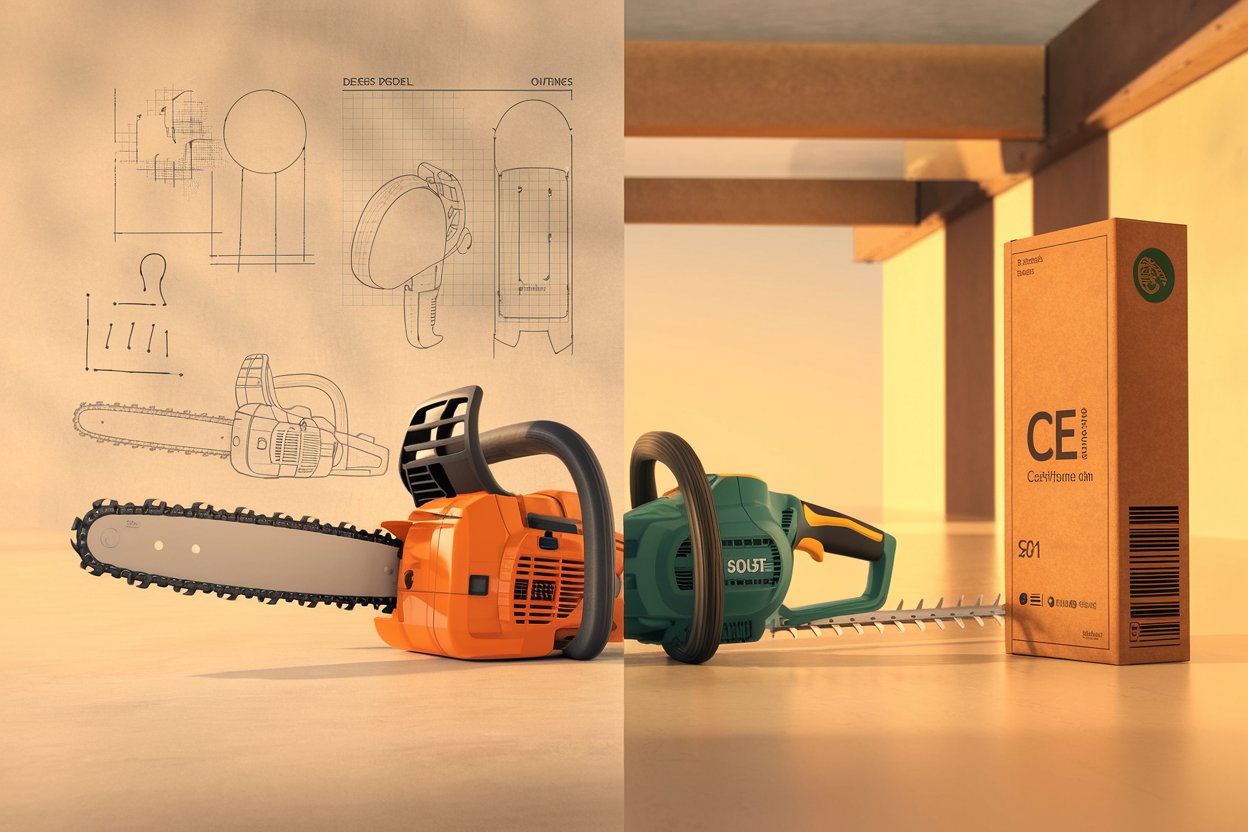
OEM (Original Equipment Manufacturer) allows you to use a factory’s existing design with your own branding, while ODM (Original Design Manufacturer) involves developing a completely new product. Both can lead to success, but only if they match your business stage.
Many first-time importers jump into ODM too early, investing heavily in molds and designs before confirming market demand.
Meanwhile, established distributors sometimes rely on OEM for too long, which limits their ability to differentiate once the market becomes crowded.
In short, the challenge isn’t choosing between OEM or ODM1 — it’s knowing when to choose which.
What Exactly Does OEM Mean for Cordless Garden Tool Importers?
OEM is the most efficient path for importers who want to build a private label fast and safely.
You take an existing product — like a 21V cordless chainsaw or hedge trimmer — and customize it with your logo, color, and packaging.
Since the tooling and certifications (CE/GS/EMC) are already complete, you skip the long development stage and go straight to market.
At YOUWE, we support OEM partners with a full range of ready-made cordless tools that have already been tested for durability, performance, and safety.
OEM is perfect for:
- New importers testing market demand
- Retail distributors needing fast delivery
- Buyers managing multiple product categories under one brand
In most cases, you can launch within 30–45 days — a major advantage if you want to catch the seasonal demand in Europe.
What Are the Key Differences Between OEM and ODM for Cordless Garden Tools?
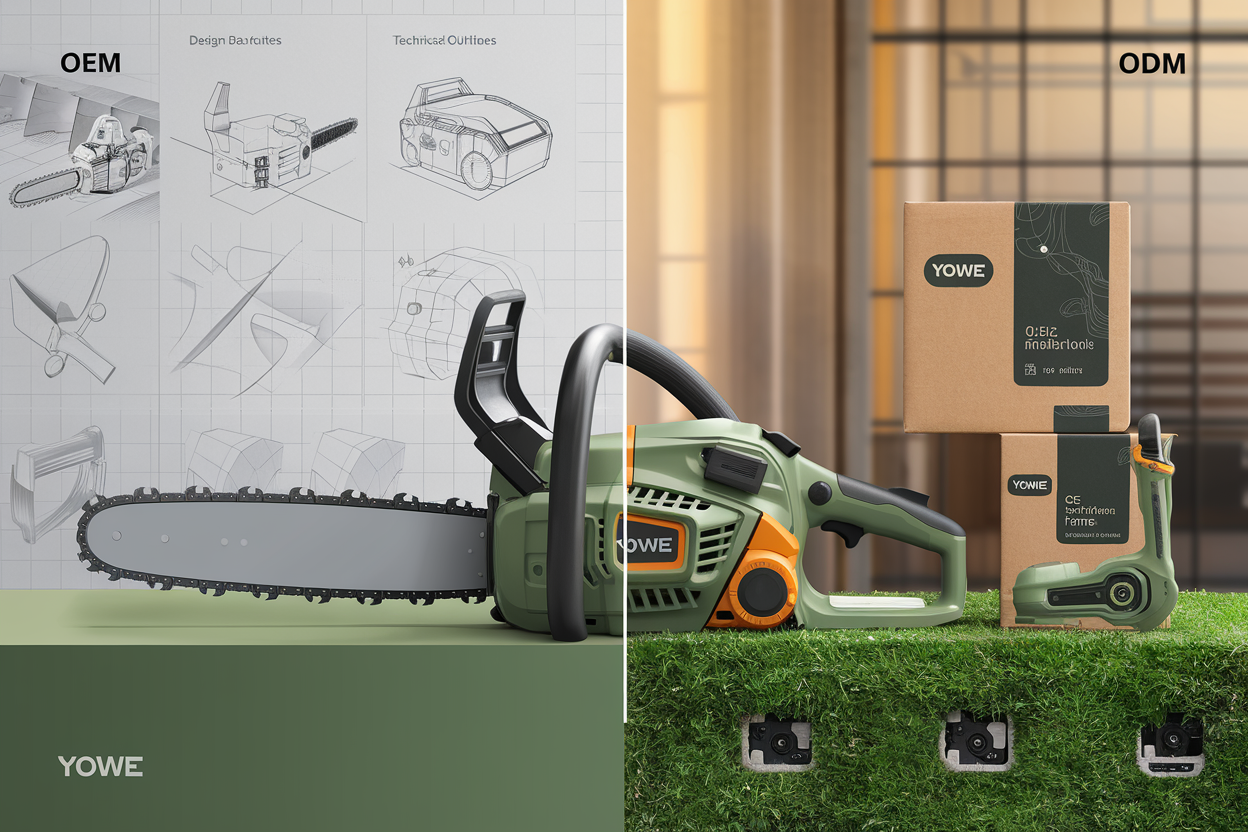
The main differences between OEM and ODM for cordless garden tools come down to design ownership, investment, certification, and lead time.
In an OEM project, the manufacturer provides ready-made designs that importers can brand quickly, offering faster production, lower cost, and existing CE/GS certifications.
In contrast, ODM involves creating an entirely new design based on the importer’s specifications — giving full product ownership and exclusivity, but requiring more time, higher investment, and new certification testing.
For European importers, OEM is ideal for quick market entry, while ODM is better for long-term brand differentiation and higher profit potential.
1. Product Design Control
In OEM, the design belongs to the manufacturer. You can brand and customize it but cannot change the structure.
In ODM, the design is created exclusively for you, giving you full control and ownership over every component — from the outer shell to the internal battery system.
2. Development Time and Lead Time
OEM development is fast — around 30–45 days from sample confirmation to shipment.
ODM takes longer — typically 90–150 days — because it includes 3D design, mold creation, prototype testing, and certification.
If you need to launch this season, OEM is better. If you’re preparing next season’s flagship line, ODM makes sense.
3. Investment and Cost
OEM has low upfront costs, as you’re only paying for existing products and branding.
ODM requires tooling, design, and certification investment, but gives you exclusive ownership.
While ODM demands higher initial spending, it often delivers better long-term margins.
4. Certification and Compliance
All OEM products at YOUWE come with ready CE, GS, and EMC certifications, ensuring fast customs clearance and compliance.
ODM projects require new testing for safety, vibration, and battery performance, adding several weeks to your timeline.
This is why we help importers plan certification early to avoid missing sales windows.
5. MOQ and Production Flexibility
OEM projects have lower minimum order quantities (200–300 pcs), ideal for testing the market.
ODM requires larger runs (800–1,000 pcs) to justify development costs.
Most European partners start small with OEM and expand into ODM once their brand stabilizes.
6. Battery Platform Customization
In OEM, you use our proven 21V or 40V platforms, compatible across saws, trimmers, and blowers.
In ODM, we can engineer your own exclusive battery pack, with options like 21700 cells, smart BMS systems, and unique case designs.
However, that requires additional tooling, validation, and CE testing — worth it if you aim for a signature brand ecosystem.
7. Strategic Takeaway
OEM means speed and lower risk, while ODM means ownership and exclusivity.
Start with OEM to enter the market confidently, then evolve into ODM when your sales volume justifies new development.
It’s the approach that has helped many of our European clients dominate their local cordless tool categories.
How Does YOUWE Support OEM and ODM Projects for European Importers?
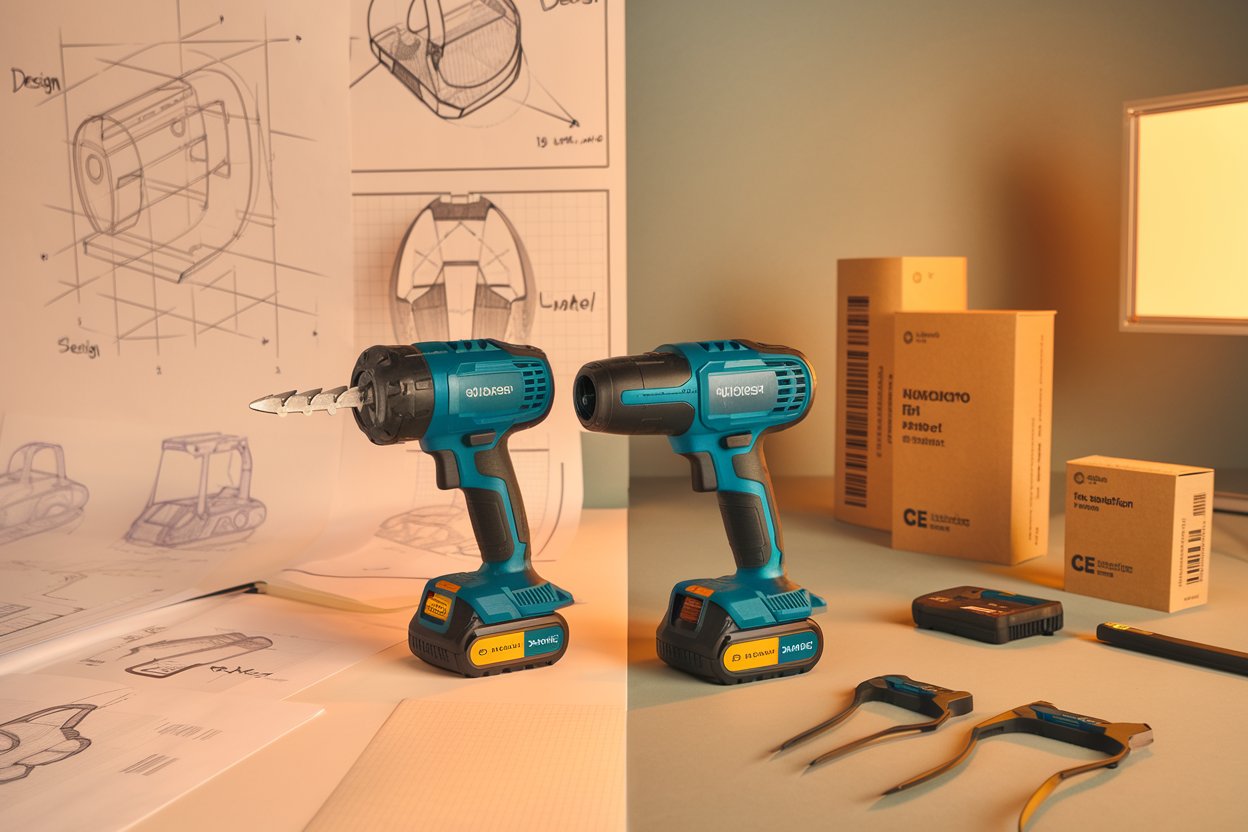
As the founder of YOUWE GARDENTOOLS, I’ve spent two decades helping European importers turn their cordless garden tool ideas into reliable, high-performance products.
Our strength lies in combining real manufacturing capability with a deep understanding of what importers need — quality, speed, flexibility, and certification support.
1. Proven OEM Experience That Saves Time
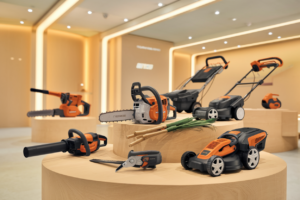
We offer a full catalog of 21V and 40V cordless garden tools — chainsaws, trimmers, blowers, and pruning shears — already CE/GS/EMC certified and ready for branding.
You can choose your logo, packaging, and color scheme, and we handle the rest.
Most OEM projects can move from design to delivery in under 45 days.
2. Advanced ODM Engineering for Unique Designs
Our in-house R&D and design team works with importers who want exclusivity.
From 3D modeling and CAD optimization to prototype testing and performance validation, we ensure every ODM project is both technically sound and market-ready.
We’ve helped European partners design exclusive products — from lightweight hedge trimmers to ergonomic pruning shears — that boosted both brand identity and profit margins.
3. Full Manufacturing Integration
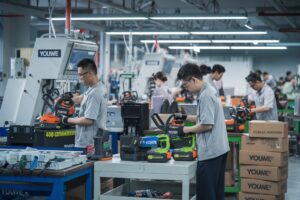
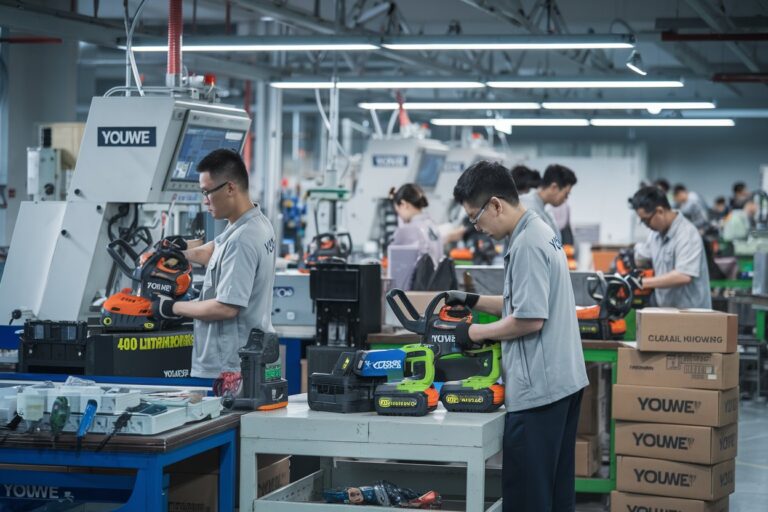
YOUWE controls the entire production process — battery assembly, plastic injection, motor testing, PCB installation, and final inspection — all in one facility.
This ensures consistent quality, shorter lead times, and easier after-sales management for importers.
4. Compliance With European Standards
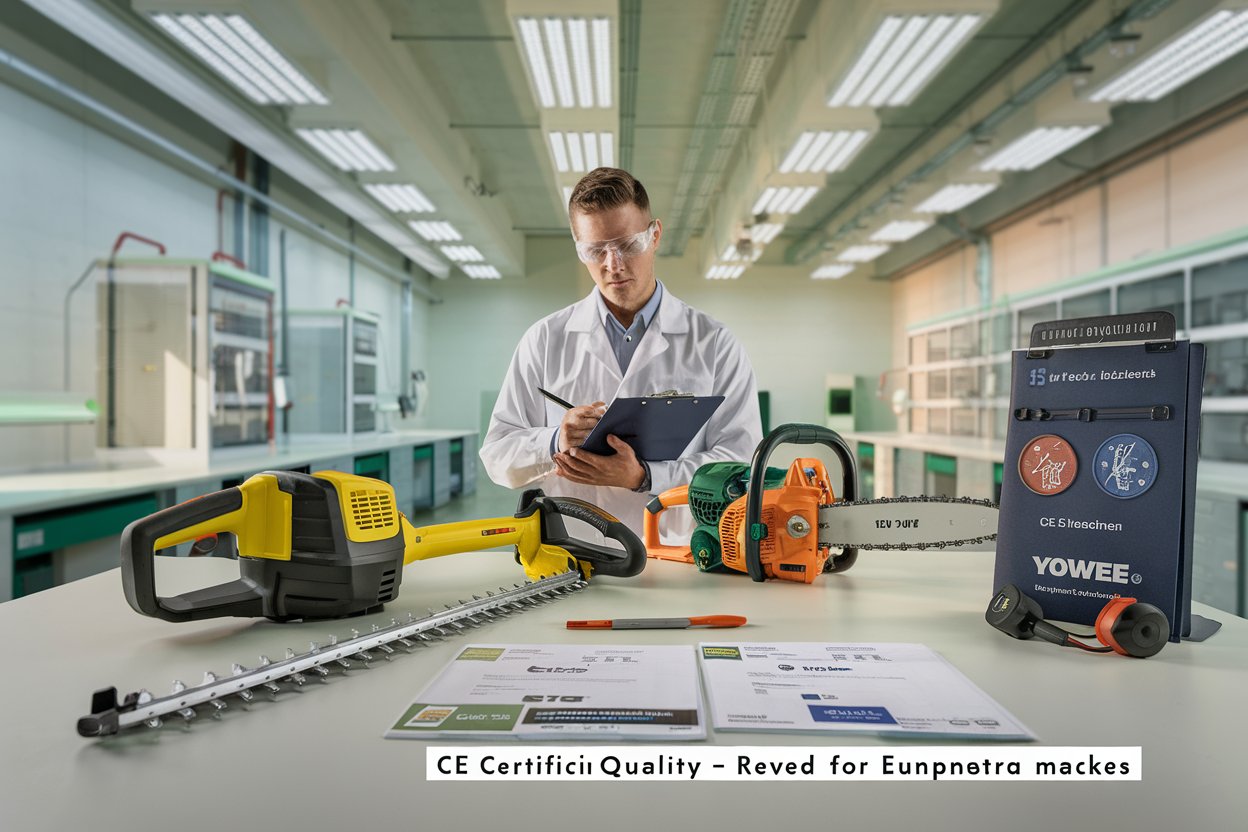
Every YOUWE product is built to meet European regulations, including CE, GS, and EMC.
We manage certifications in-house, helping importers avoid delays and ensuring all documentation is ready for customs and retail audits.
5. Partnership for Long-Term Growth
Many of our European clients start with OEM and later shift to ODM — without changing factories.
That continuity saves time, protects know-how, and strengthens trust.
When your brand grows, YOUWE grows with you — offering flexibility, technical support, and stable capacity for larger volumes.
6. Strategic Takeaway
If you’re looking for a factory that delivers speed, quality, and expertise, YOUWE is your trusted partner for OEM and ODM solutions in cordless garden tools2.
How Do Cost and Lead Time Compare Between OEM and ODM?
Let’s talk real numbers — because in this business, profit margins and delivery timing are just as important as product quality.
Every importer knows that missing a sales season by even two weeks can mean thousands in lost revenue.
That’s why understanding the timeline difference between OEM and ODM projects helps you plan your purchasing more strategically.
ODM Project Timeline: Fast Market Entry, Low Initial Risk
When you select an ODM model, most of the development work is already done.
The manufacturer has finished design, tooling, and certification, so you only need to customize details and confirm branding.
Here’s a typical ODM project schedule from my experience with European clients:
| Project Stage | Description | Duration |
|---|---|---|
| 1. Product Selection | Choose existing model, confirm functions (e.g., 21V mini chainsaw or 40V hedge trimmer) | 3–5 days |
| 2. Branding Customization | Add your logo, color, label, packaging design | 5–7 days |
| 3. Sample Confirmation | Receive branded samples for testing and photography | 10–15 days |
| 4. Mass Production | Tool assembly, QC, packaging | 25–30 days |
| 5. Shipment & Delivery | Final inspection, shipping to Europe | 30–40 days by sea / 7–10 days by air |
Total ODM Lead Time: around 35–45 days after deposit if packaging design is ready.
That speed allows importers to catch key European selling seasons (March–June for garden tools) without losing momentum.
In short: ODM is ideal for fast product launches or seasonal restocking.
OEM Project Timeline: Step-by-Step Custom Development
OEM projects take longer — but they give you full ownership of the product’s design, mold, and intellectual property.
| Phase | Description | Duration |
|---|---|---|
| 1. Initial Planning (Week 1–2) | Discussion of concept, design requirements, battery specs, and target price. | 1–2 weeks |
| 2. Engineering Design (Week 3–5) | R&D develops 3D models, internal structure layouts, and configurations. | 2–3 weeks |
| 3. Mold Creation (Week 6–9) | CNC machining and injection mold preparation. | 3–4 weeks |
| 4. Sample Testing (Week 10–12) | Engineering samples produced and tested for torque, vibration, safety. | 2–3 weeks |
| 5. Certification (Week 13–18) | CE/EMC/ROHS testing and submission. | 3–6 weeks |
| 6. Pilot Run (Week 19–21) | Small batch for validation. | 2–3 weeks |
| 7. Mass Production (Week 22–26) | Final production. | 4–5 weeks |
| 8. Shipment (Week 27+) | QC and shipping prep. | 1–2 weeks |
Total OEM Lead Time: approximately 90–120 days, depending on complexity and testing.
That may sound long, but once certification and molds are done, repeat orders take only 35–45 days — same as ODM.
Cost Breakdown: What to Expect
| Item | ODM Project | OEM Project |
|---|---|---|
| Mold Cost | None (included) | USD 5,000–20,000 |
| Design & R&D | Included | USD 2,000–5,000 |
| Certification | Pre-approved | New CE/EMC test (USD 1,500–2,500) |
| Sample Lead Time | 2 weeks | 4–6 weeks |
| Production Lead Time | 30–40 days | 60–90 days |
| Minimum Order Quantity (MOQ) | 200–300 units | 500–1000 units |
This explains why many European buyers begin with ODM, then transition to OEM once sales stabilize.
At YOUWE GARDENTOOLS, we help reduce cost by reusing compatible components like our 21V and 40V battery platforms — cutting both time and investment.
Conclusion
Choosing between OEM and ODM is not simply a sourcing choice — it’s a strategic roadmap for your brand.
If you’re entering the European market:
- Start with ODM to test sales and supply chain.
- Move to OEM to create unique products and protect your brand.
At YOUWE GARDENTOOLS, we’ve guided many importers from small ODM orders to full OEM programs.
If you’re planning your next cordless garden tool project, I’d be glad to discuss your ideas personally.
Efficiency in Every Cut, Trust in Every Deal — that’s how we help our partners grow globally.