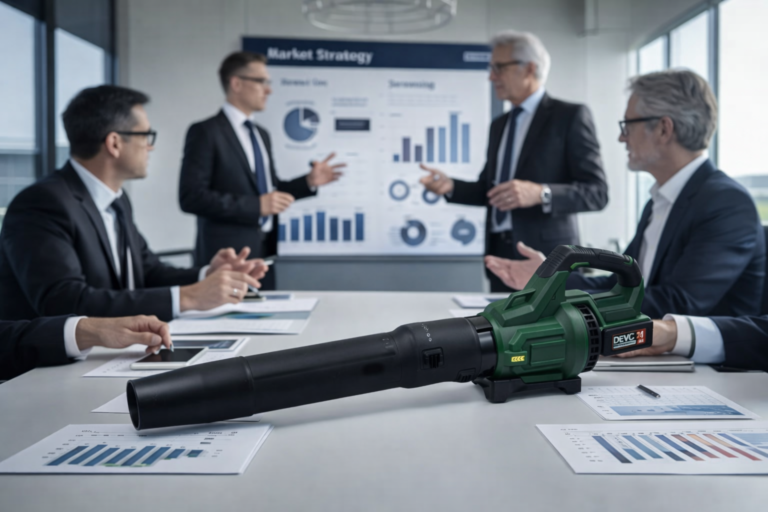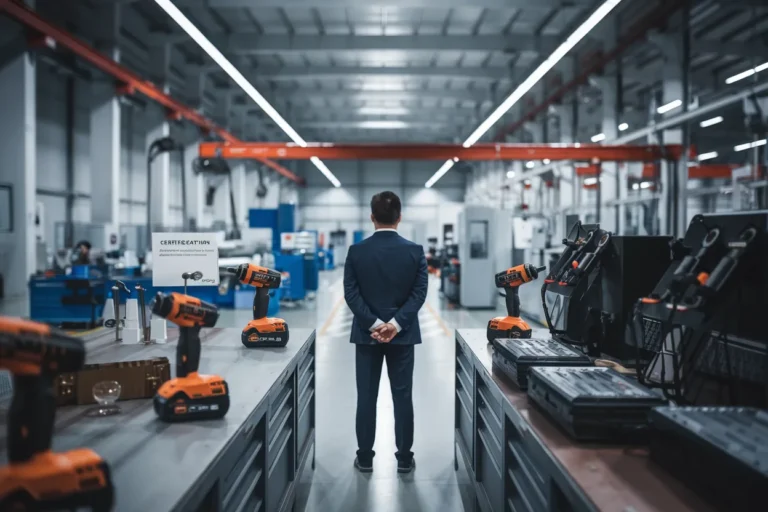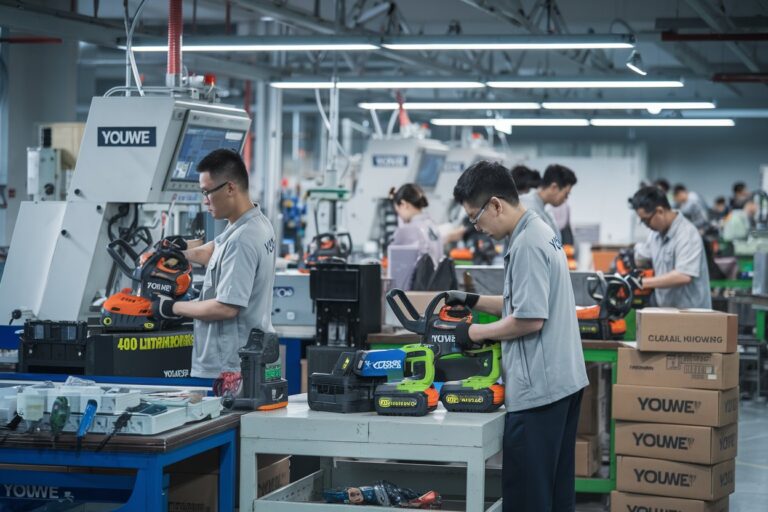

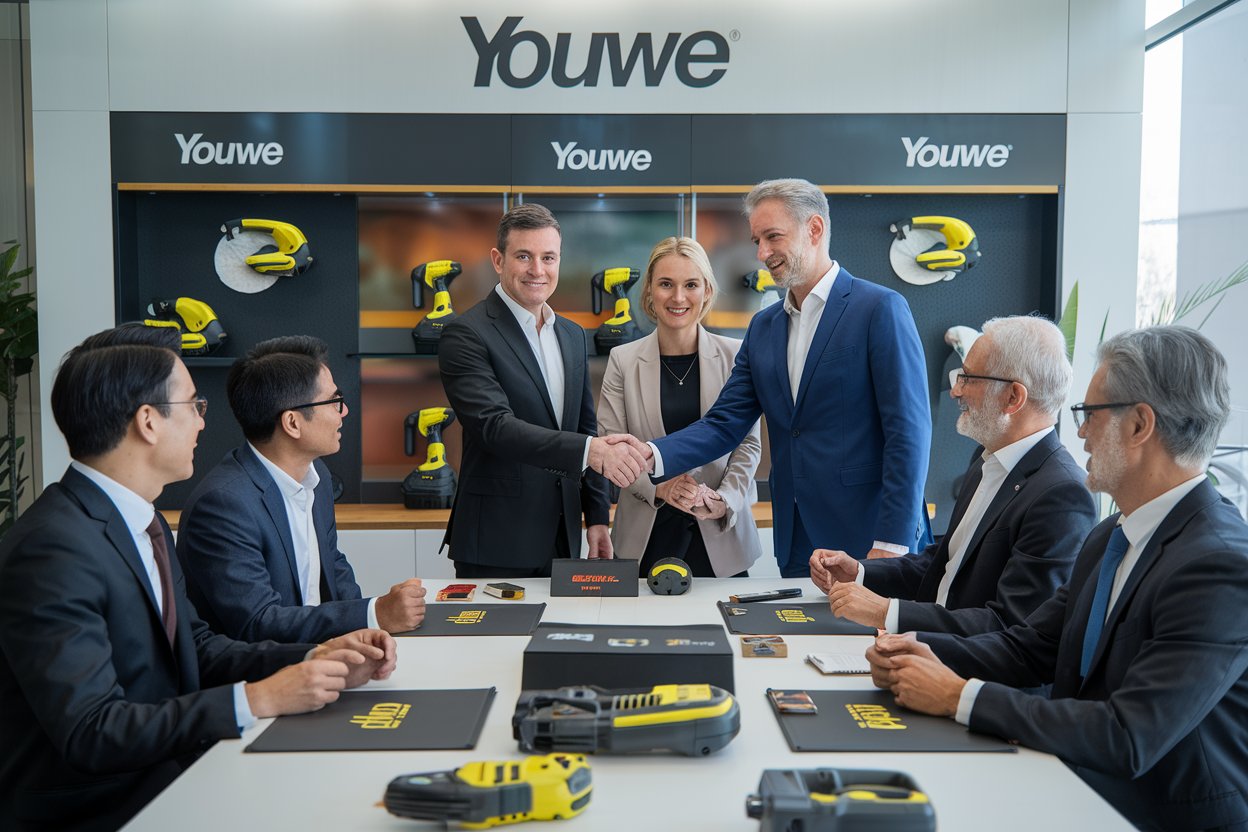
I speak with many importers1 across Italy, Spain, Germany, Romania, and Greece. They all face the same decision when they start a new cordless garden tool or power tool line. They must choose between OEM and ODM. This choice decides speed, budget, safety, and market timing. The wrong choice causes delays and cost risks. The right choice helps them grow fast.
OEM gives fast entry with low risk. ODM gives full control with higher cost and longer time. The best model depends on your budget, certification needs, and market strategy.
I remember a German buyer who called me during the early spring rush. He needed a full 21V platform for his brand. He did not know if he should choose OEM or ODM. His timeline was short. His budget was fixed. His retailer asked for fast delivery. I guided him through the comparison. The logic I shared with him is the same logic I use for every importer. This article explains the same system I use in daily work as the product manager of YOUWE Garden Tools.
What Do OEM and ODM Really Mean for European Importers in 2025?
I meet many buyers who think OEM and ODM are similar. They are not. The difference becomes even bigger in 2025 because European regulations, battery rules, and supply chain pressure make product planning more complex.
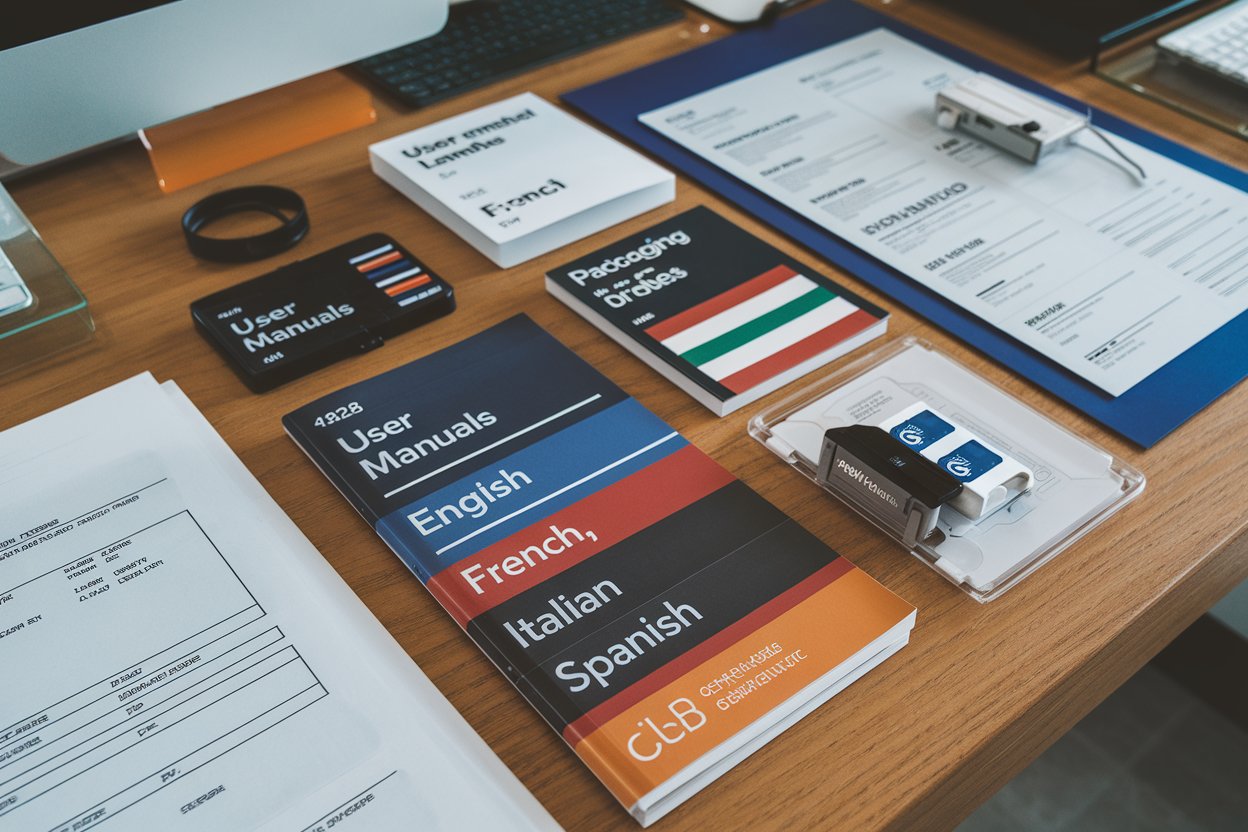
OEM means I offer a ready model with your brand. ODM means I create a new model with full engineering and tooling.
OEM Explained in Practical Terms
OEM is fast. I give you a mature model. You choose color, logo, packaging, and accessories. You test it. You confirm. You order. No engineering cost. No tooling cost. No unexpected risk. This is why most importers in Europe use OEM when they want speed and stability.
OEM is ideal for:
- Buyers with limited time
- Buyers entering a new category
- Amazon sellers
- Retailers who need fixed specifications
- Importers who follow seasonal demand
ODM Explained in Practical Terms
ODM means full development. You share your idea. I design the housing. I choose the motor. I plan the structure. I create the PCB design. I match battery voltage and BMS logic. We test multiple prototypes. We adjust torque, airflow, cooling, and balance.
ODM is ideal for:
- Buyers with a long-term strategy
- Brands wanting unique tools
- Importers targeting high-end supermarkets
- Companies with engineering budget
- buyers who want exclusive models
OEM and ODM in One Table
| Key Item | OEM | ODM |
|---|---|---|
| Development | None | Full |
| Tooling | No | Yes |
| Lead Time | Short | Long |
| Cost | Low | High |
| Certification | Ready | New tests |
| Control | Medium | Full |
| Product Uniqueness | Shared | Exclusive |
Why This Difference Matters More in 2025
2025 brings higher expectations from European markets. Retail chains want new designs. Importers want stable certification. Battery rules become strict. Brushless tools grow fast. Firmware, PCB, and BMS design matter more. This makes OEM and ODM two very different paths.
Common Misunderstandings from Buyers
Some importers think ODM always means better quality. This is wrong. Quality depends on factory systems, stability, internal testing, and assembly control. ODM gives you shape control, not automatic quality.
How Does Each Model Impact Quality Control and Certification Compliance in Europe?
Every European importer cares about CE, EMC, GS, RoHS, and battery regulation safety. I manage certification for many clients. I know exactly where delays come from.
OEM uses ready certifications. ODM must start from zero and repeat every test.
Why OEM Is Safer for Certification
OEM tools already passed:
- CE
- EMC
- GS (when needed)
- Noise tests
- Battery safety
- Charger safety
We only update your brand name. This reduces risk. This speeds up customs clearance. Importers in Italy, Spain, and Germany choose OEM when they want fast and safe approvals.
Why ODM Requires Full Testing
ODM changes:
- Housing
- PCB board
- Gear system
- Torque setup
- Motor type
- Cooling system
- Noise output
This requires:
- Full CE
- New EMC
- New noise test
- New charger test
- New battery test
- New GS assessment
Each test needs time and a fixed testing window.
OEM vs ODM Certification Table
| Item | OEM | ODM |
|---|---|---|
| CE | Ready | Must redo |
| EMC | Ready | Retest |
| GS | Update | New review |
| Battery Regulation 2023/1542 | Pre-tested | Must test |
| Documentation Load | Light | Heavy |
| Risk Level | Low | Medium to High |
A Real Case from Spain
A Spanish importer wanted a new cordless chain saw. He chose ODM. He forgot to count testing time. His CE and noise test delayed him by 45 days. His competitor chose OEM and entered the season earlier. He lost the timing.
Why Certification Should Guide Your Choice
Some markets have strict checks:
- Italy
- Germany
- France
- Spain
- Poland
Customs officers pay attention to:
- Battery Wh label
- CE data accuracy
- GS authenticity
- Noise levels
- Charger safety
OEM reduces surprises. ODM requires more management.
How Do OEM and ODM Influence the Supply Chain and Lead Times?
Lead time decides if you win the season or miss the season. I see this in every year’s spring and autumn cycle.
OEM lead time is short and predictable. ODM needs more engineering and more time.
Lead Time Comparison
| Stage | OEM | ODM |
|---|---|---|
| Sample | 7–15 days | 60–120 days |
| Tooling | None | 30–60 days |
| Certification | Update only | 20–45 days |
| Production | 30–45 days | 45–90 days |
Seasonal Impact
European garden tool sales peak:
- March to June
- August to October
If you miss March, you lose the full spring season. OEM fits buyers with tight schedules. ODM must start at least 6–12 months early.
Supply Chain Stability
OEM uses existing:
- Assembly flow
- PCB layout
- Motor setup
- Tooling
- Supplier network
ODM requires:
- Prototype tests
- Assembly optimization
- Supplier validation
- Motor and gearbox tuning
Logistics Pressure in 2025
Shipping also adds pressure:
- DG cargo limits
- Battery paperwork
- Sea freight delays
- Europe truck delivery time changes
OEM helps you respond faster when shipping times change.
When Should European Importers Choose OEM?
OEM fits most importers. It gives fast entry, low risk, and stable cost.
Choose OEM when you want speed, stability, and predictable certification.
OEM Works Best for These Buyers
- Amazon sellers
- New importers
- Buyers with small budget
- Retail chains
- Buyers with urgent deadlines
- Importers with low MOQ
- Clients who need fast customs clearance
OEM Cost Table
| Cost Item | OEM |
|---|---|
| Tooling | No |
| Engineering | No |
| Certification | Updated only |
| Sample | Low |
| Packaging | Yes |
Why Retail Chains Prefer OEM
Retail chains want:
- Predictable lead time
- Stable quality
- Fixed specs
- Easy compliance
- Quick delivery
OEM offers all these points.
Case from Italy
An Italian importer needed ten tools before spring. He had only forty days. He chose OEM. We shipped on time. His stores launched before Easter.
When Should European Importers Choose ODM?
ODM is ideal for importers who want a unique product and long-term strategy.
Choose ODM when you want exclusive design and full control.
ODM Works Best for These Buyers
- Long-term brands
- Supermarket suppliers
- Buyers wanting full design control
- Importers with stable annual volume
- Buyers who need unique models
ODM Development Roadmap
| Stage | Description |
|---|---|
| Concept | You share idea |
| ID Design | We design shape |
| Structure | We build layout |
| Engineering | Motor, gear, PCB |
| Tooling | Molds created |
| Testing | Full compliance |
| Trial Run | Small batch |
| Mass Production | Stable |
ODM Advantages
ODM gives:
- Exclusive shape
- Full performance control
- Higher selling price
- Better brand image
- Stronger market position
Case from Germany
A German brand used ODM for a pruning shear. It became their best-selling hero product in their retail chain.
How Does YOUWE Garden Tools Support Both OEM and ODM Projects?
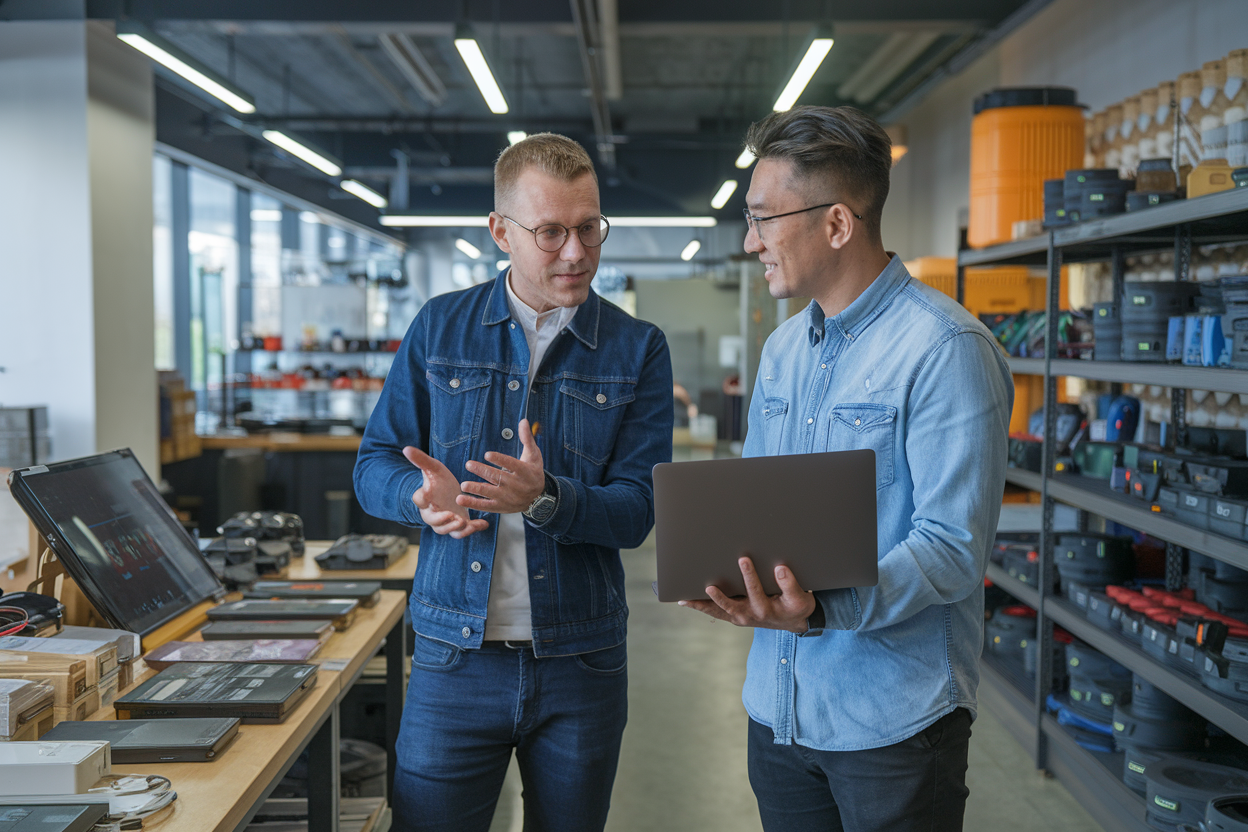
I manage both OEM and ODM at YOUWE. My team handles engineering, battery design, quality control, and documentation.
YOUWE supports OEM with speed and ODM with full R&D.
Our OEM Strength
- Mature 21V systems
- Mature 40V systems
- Ready CE and EMC
- Fast branding
- Stable production
- Low MOQ
Our ODM Strength
- In-house engineers
- Brushless motor tuning
- PCB and BMS development
- Custom housing
- Prototype building
- Full testing support
OEM and ODM Comparison at YOUWE
| Item | OEM | ODM |
|---|---|---|
| R&D | Not needed | Full support |
| Branding | Yes | Yes |
| Packaging | Yes | Yes |
| New Housing | No | Yes |
| Battery Development | Limited | Full |
| Lead Time | Short | Long |
Why Importers Choose YOUWE
We control:
- IQC
- IPQC
- OQC
- BMS testing
- Motor testing
- Performance tests
- Cycle tests
This keeps both OEM and ODM stable and reliable.
What Should European Importers Do Next to Reduce Risk and Increase Profitability?
I always give importers the same advice. Start small. Learn fast. Scale with confidence.
Start with OEM to test the market, then move to ODM when volume grows.
Step 1: Start with OEM
Use small MOQ. Enter fast. Reduce risk.
Step 2: Build Your Series
Use one battery platform. Expand to 10–15 models.
Step 3: Move to ODM
Develop your own hero product.
Risk Comparison Table
| Risk | OEM | ODM |
|---|---|---|
| Cost Risk | Low | High |
| Lead Time Risk | Low | Medium |
| Market Risk | Low | Medium |
| Compliance Risk | Low | Medium |
My Advice from Real Work
I speak with many buyers every week. The most successful importers follow one system. They start with OEM to build sales. They learn their customer needs. They build a series. Then they move to ODM when they understand their market. This reduces risk and increases profit.
Conclusion
OEM and ODM2 play different roles for European importers3 in 2025. OEM gives speed and stability. ODM gives control and exclusivity. After many years working with buyers in Italy, Spain, Germany, and Eastern Europe, I see the same pattern. Importers who grow fast follow a simple plan. They start with OEM. They test the market. They build a product family. Then they invest in ODM when they feel ready. If you want to discuss which path fits your brand, I am happy to share what I have learned from real cases at YOUWE.