
I meet European buyers every month who feel pressure from fast product changes, new EU rules1, and higher customer expectations. I see how hard it is when old petrol models lose demand and new battery tools change the whole market.
Battery garden tools dominate Europe in 2025 because buyers prefer cleaner power, low noise, simple maintenance, and safe tools that follow strict EU rules.
I write this guide based on real import projects2 I manage in Italy, Spain, Germany, France, and other EU markets. I explain what trends shape buyer decisions, what tools sell best, and how importers plan for the next 12 months. I share what I see on the factory side and what buyers ask for when they build their new cordless tool line.
Why Europe Is Rapidly Shifting to Battery-Powered Garden Tools?
Many European importers tell me they feel new pressure from retailers and end users. They must offer safe, low-noise, clean garden tools that match new rules in each country. They also want tools with stable performance and simple after-sales work.
Europe shifts to battery tools because they meet strict rules, reduce noise, avoid petrol restrictions, and fit the fast rise of home gardening and DIY culture across EU countries.
Stricter EU noise and emission regulations
I see how new rules in Europe speed up the move away from petrol tools supplier. Many cities set clear noise limits for blowers and trimmers. Some cities ban petrol tools on weekends. Some regions plan full bans on petrol garden tools in the next years. Importers now prefer battery models because they avoid inspections and complaints. Buyers from Germany, France, Italy, and the Nordics tell me they need products that follow these rules with no risk.
| Regulation Pressure | Impact on Importers | Tools Affected |
|---|---|---|
| Noise limits in cities | Higher demand for low-noise motors | Blowers, trimmers |
| Petrol tool restrictions | Move to zero-emission tools | Chainsaws, hedge trimmers |
| EU Green Deal | Focus on clean power | All garden tools |
Growth of home gardening and DIY culture across EU
I see strong demand from DIY users in Italy, Spain, Germany, and France. Families spend more time at home. Many want simple tools that start fast, stay clean, and feel light. These users want tools that do not need fuel, oil mixing, or long storage care. Importers now choose battery tools because they fit this new lifestyle. The rise of small gardens also increases demand for compact trimmers, mini chainsaws, and light hedge trimmers.
| Market Trend | Buyer Need | Tool Type |
|---|---|---|
| Small gardens in EU homes | Light and safe tools | Mini chainsaws, trimmers |
| DIY culture | Simple use and low risk | Pruning shears, blowers |
| Younger buyers | Modern, low-maintenance tools | 21V platform tools |
Retail and e-commerce demand for safer, cleaner, lightweight tools
Retail chains and Amazon EU sellers now require battery garden tools with low risk and clean operation. They want simple packaging, strong certification, and low return rates. I see many buyers shift away from heavier 2-stroke tools. They choose tools with brushless motors, 4.0Ah batteries, and low-vibration designs. These models meet EU rules and customer expectations. Light tools are also easy to ship, which lowers cost for importers.
| Channel | Key Requirement | Reason |
|---|---|---|
| Retail stores | Low return rate | Better warranty control |
| Amazon EU | Light weight and safety | Shipping and compliance |
| Distributors | Clean, simple maintenance | Fewer complaints |
40V & 21V Battery Platforms Are Becoming the New Import Standard?
I see many European importers move away from mixed battery tools3. They want one simple platform that fits many models. They also want strong power for trimming, cutting, and blowing. This change happens fast in Italy, Germany, Spain, and France.
40V and 21V battery systems are now the preferred choice for European buyers because they offer strong power, long runtime, and a unified platform that reduces SKU complexity and service work.
Why European buyers now prefer unified battery ecosystems
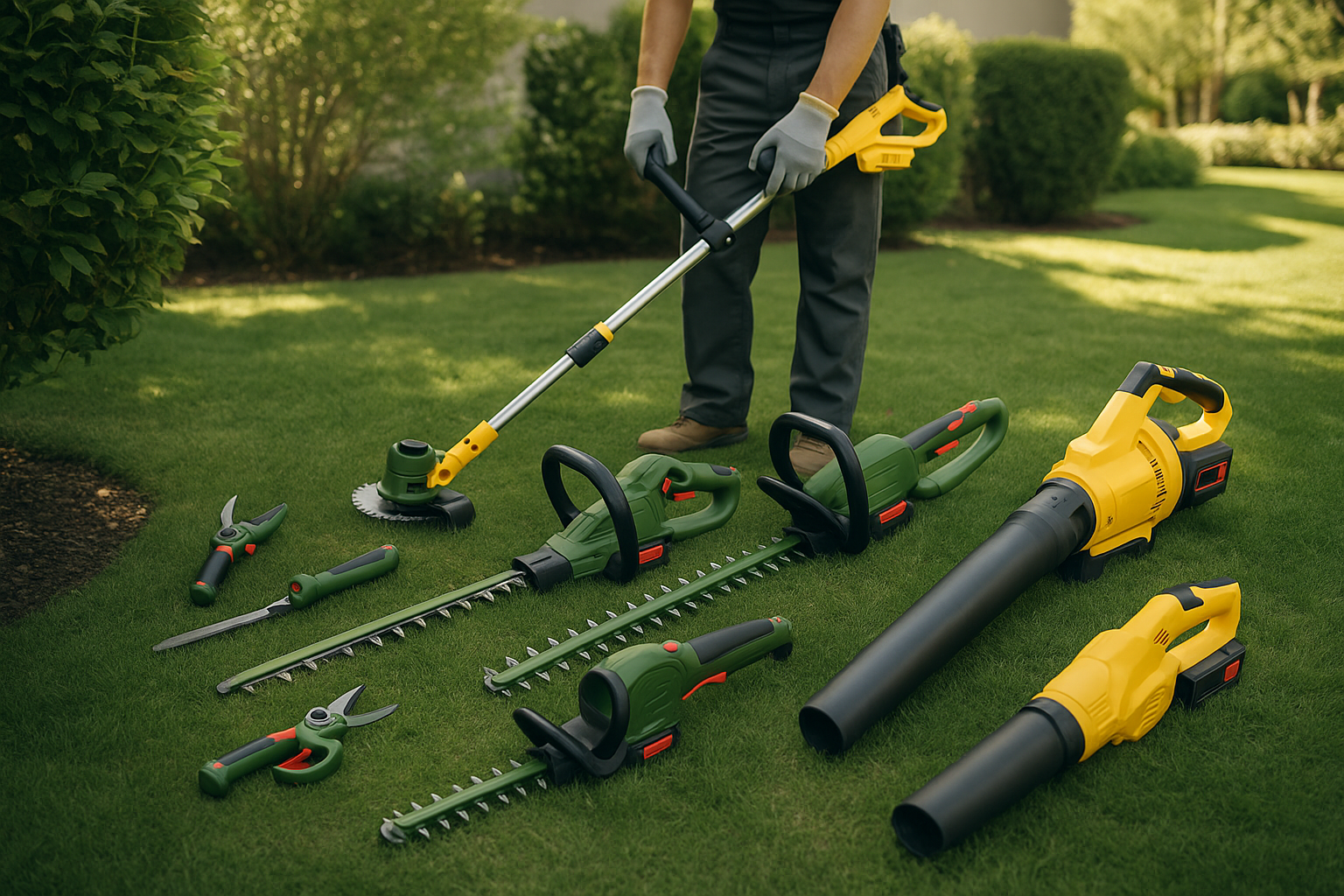
I notice that most importers want one battery system for all garden tools. A unified platform reduces warehouse pressure and improves brand identity. It also lowers warranty cost because fewer chargers and cells create fewer risks. Buyers in Italy and Germany often ask me for full 21V or 40V lineups. They want the same pack to power chainsaws, trimmers, pruning shears, and blowers. This helps retailers sell more accessories and replacement batteries.
| Buyer Goal | Platform Benefit | Result |
|---|---|---|
| Reduce SKU chaos | One battery for many tools | Simple inventory |
| Increase repeat sales | Users buy extra batteries | Higher margin |
| Lower after-sales cost | Fewer battery types | Easy replacement |
Which tools perform best on 21V and 40V systems
I test many models in my factory. I see clear differences. The 21V system works well for small and mid-size tools. These tools stay light and have strong torque. The 40V system fits tools that need more power, like big chainsaws and blowers. Many EU buyers ask for mixed lineups with both platforms. They use 21V for compact tools and 40V for heavy-duty outdoor work.
| Battery System | Best Tool Types | EU Buyer Use |
|---|---|---|
| 21V | Pruning shears, mini chainsaws, small trimmers | Light hobby users |
| 40V | Blowers, big chainsaws, hedge trimmers | Heavy-duty garden work |
| Mixed lineup | Full garden system | Retail chains and distributors |
What importers should avoid: fragmented battery systems
I warn buyers not to mix too many systems. Some importers still buy 12V, 16.8V, 20V, 21V, 24V, and 40V at the same time. This creates chaos in stock and service work. It also confuses end users. A mixed system increases warranty cost because chargers and batteries do not match. Retail buyers do not like this because it harms brand loyalty. I always tell new importers to choose one clear platform and build the full lineup around it.
| Problem Type | Risk | Impact |
|---|---|---|
| Too many voltages | Buyer confusion | Low repeat sales |
| No cross-compatibility | High warranty work | More returns |
| Mixed suppliers | Different cells and BMS | Quality issues |
Product categories driving battery-platform adoption
Certain tools push the need for a strong battery platform. Mini chainsaws are the first. They use batteries fast and require stable cells. Pruning shears also drive platform growth because users want more runtime. Hedge trimmers and blowers increase this trend in retail stores. These tools need strong power and long working time in parks and gardens. Buyers in Italy, Germany, France, and the Nordics tell me they need a clear battery family for full-season sales.
| Category | Platform Need | Buyer Reason |
|---|---|---|
| Mini chainsaws | Fast discharge | Cutting branches |
| Pruning shears | High torque | Vineyard and orchard work |
| Hedge trimmers | Long runtime | Park and garden service |
| Blowers | High power | Leaves and clean-up |
What European Importers Should Look for in a Reliable Supplier?
Many buyers in Europe tell me they struggle to find a supplier who can give stable quality, real battery control, and correct certification documents. They also want a partner who understands EU rules and can move fast during peak season.
A reliable supplier must control battery production, offer full CE/GS/EMC/RoHS files, design new models in-house, and deliver samples and orders on time. These abilities decide the success of every importer in 2025.
Must-have manufacturing capabilities (battery pack assembly, QC systems)
I always ask buyers a simple question:
“Do you want to sell a tool, or do you want to sell a system you can trust?”
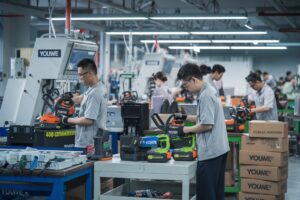
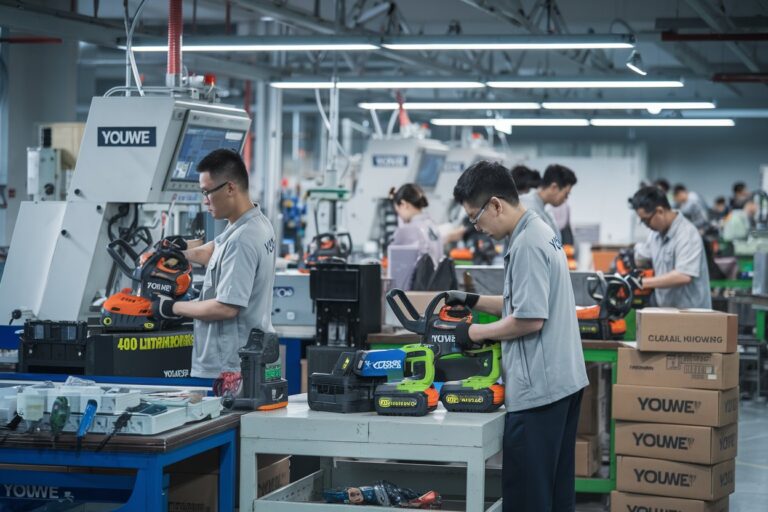
A real manufacturer must build its own battery pack. This is the heart of every cordless tool. If the factory cannot control cells, BMS design, welding quality, and discharge testing, the importer faces high warranty risk. When I show buyers our battery line, they understand why this matters. We test cells one by one and match them by capacity, voltage, and internal resistance. This keeps the tool stable in cold weather and keeps runtime consistent.
Our QC team follows a clear system. IQC checks every incoming material—cells, PCBs, motors, plastic housings. IPQC checks torque, chain speed, motor temperature, and vibration during production. OQC checks finished tools under load before packing. European buyers prefer this because every test creates a record. When something goes wrong, we find the exact reason in minutes.
| Capability | Why It Matters | How It Helps Buyers |
|---|---|---|
| Battery pack assembly (in-house) | Controls safety and runtime | Lower warranty cost |
| Cell sorting | Stable discharge and long life | No battery complaints |
| Motor + load testing | Real performance control | Fits EU pro users |
| Full QC records | Traceability | Easy audit for retail chains |
When buyers visit the factory and see a real battery line and QC lab, they usually tell me:
“Robert, this is exactly the type of supplier we want long-term.”
Full compliance documentation (CE/GS/EMC/RoHS)
Most customs delays in Europe come from incorrect documents. Many factories give buyers “CE letters” without full test reports. Some do not include risk assessments or correct labels. These problems create real losses for European importers—shipment holds, Amazon listing removal, or retail chain rejection.
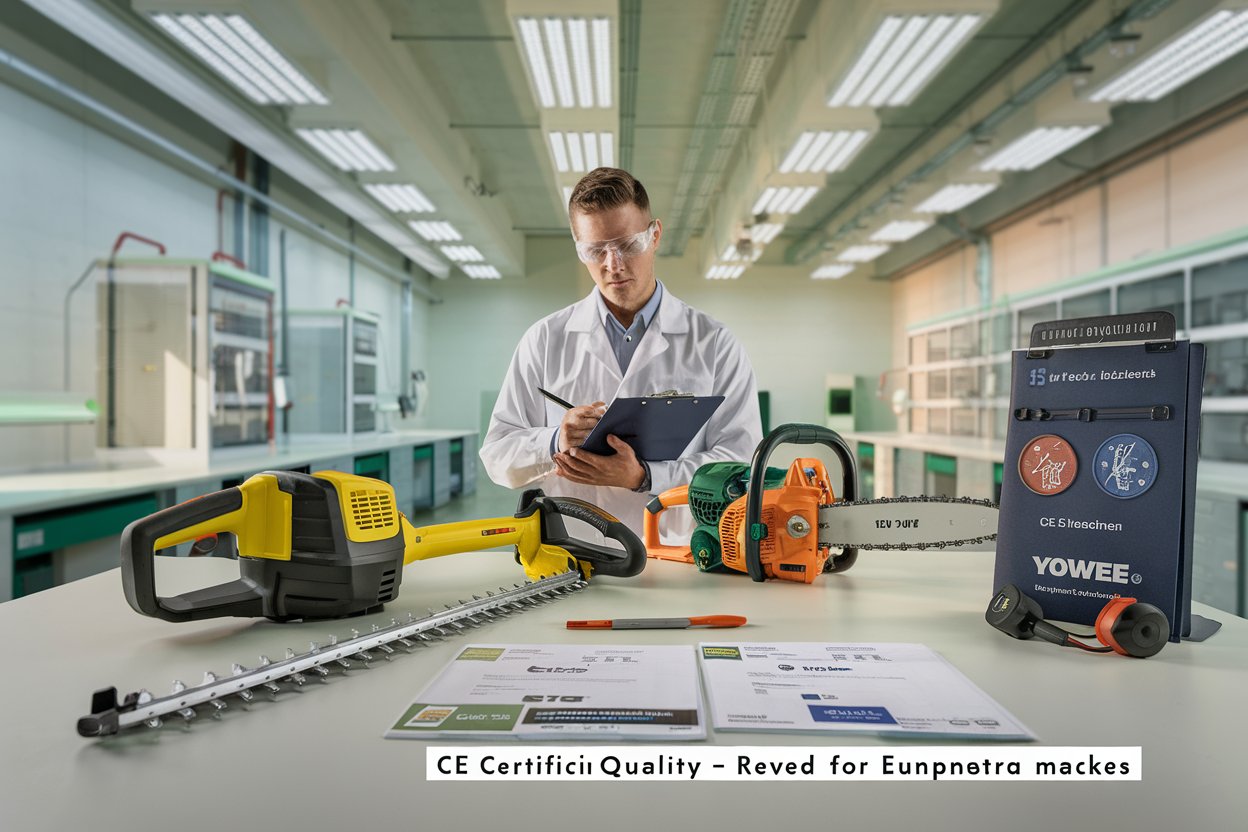
I prepare full documentation for each model before mass production. CE includes the test report, RA, DoC, and correct labels. GS is important for Germany and Austria because it proves a higher safety level. EMC prevents interference problems for chargers and battery systems. RoHS ensures plastic and metal parts follow EU chemical rules.
Many buyers tell me they spent years fighting with suppliers who did not know how to prepare correct CE certification. When they receive our full package, they say it is the first time they feel safe selling into Europe.
| Certification | What We Provide | How It Protects Importers |
|---|---|---|
| CE | Full report + RA + DoC + labels | Smooth customs |
| GS | TÜV/Intertek reports | Opens German retail |
| EMC | Charger + tool EMC test | No interference issues |
| RoHS | Material compliance | Retail acceptance |
Strong documentation is not extra work. It is the foundation of safe business in Europe.
In-house R&D for new models every season
European buyers need new products every year. They must update catalogs, follow new trends, and compete with large brands. A trading company cannot support this. Only a supplier with in-house R&D can.
Our team designs new models each season. We test new brushless motors, battery platforms4, chain systems, blade geometry, and ergonomic shapes. We use 3D modeling to create fast prototypes. This helps buyers build a complete lineup—not just single products.
I see many importers ask for small changes to fit their markets. Some want longer blades for hedge trimmers. Some want lower noise levels for city rules. Some want lighter housings for older users. Our R&D team can adjust these details fast. This is why long-term buyers choose us—they know we can help them grow each year.
| R&D Strength | Buyer Benefit |
|---|---|
| New model updates every season | Strong catalog for retail |
| Brushless motor engineering | Higher performance |
| Battery platform planning | Full product family |
| Fast prototyping | Quick testing and decisions |
R&D decides if a supplier is only a manufacturer or a strategic partner.
Stable lead times (30–45 days) and fast sampling (7–15 days)
Delivery time decides the success of many European importers. Spring and summer sales windows are short. If the factory cannot ship before the season, the importer loses the whole year.
This is why I keep clear timelines. Samples ship in 7–15 days. Bulk orders ship in 30–45 days. We also keep safety stock of cells, motors, and plastics before peak season. Retail chains and distributors rely on this because they cannot accept late goods. When buyers work with us, they know their season plan stays safe.
| Item | Standard Time | Why It Matters |
|---|---|---|
| Samples | 7–15 days | Fast testing |
| Bulk orders | 30–45 days | Seasonal sales |
| Peak-season buffer | +10 days | Demand growth |
| Pre-booked materials | Ready before production | No delay risk |
Stable lead time is not about speed. It is about trust.
Case example: what a complete supplier solution looks like (YOUWE angle)
When a buyer works with us, they receive a complete solution—not just a product.
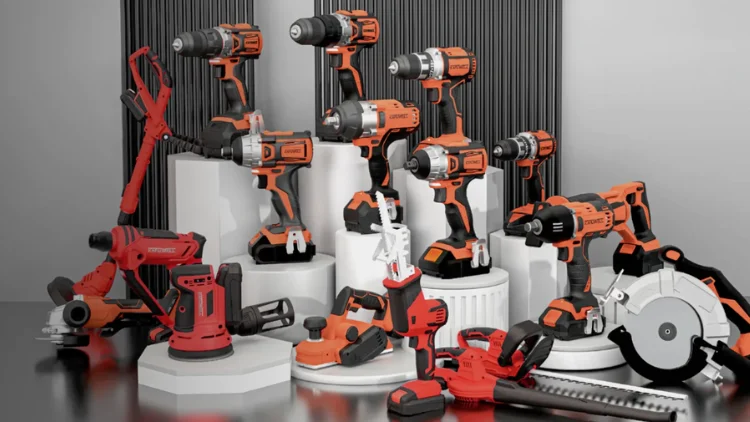
We start with the battery platform. We help choose between 21V or 40V based on the target market. Then we build a full lineup around it—chainsaw, hedge trimmer, blower, grass trimmer, pruning shear. We prepare CE/GS/EMC/RoHS files for each tool. Our designers create packaging that matches the buyer’s brand style for both retail and e-commerce. We also provide high-quality photos and manuals in the buyer’s language.
During production, we carry out full QC. Every battery pack is tested for voltage, resistance, and discharge. Every motor is tested under load. After packing, we send a full inspection report.
Long-term buyers tell me this makes their work easy. They do not worry about certification, QC, packaging, or supply chain. They only focus on selling and growing their brand. This is the type of partnership most B2B buyers want.
| YOUWE Full Solution | What the Buyer Gains |
|---|---|
| Battery platform + full lineup | Strong brand identity |
| Full CE/GS/EMC/RoHS package | Safe import and retail |
| Packaging + design service | Professional presence |
| Full QC system | Low return rate |
| On-time delivery | Stable annual planning |
When a buyer sees this level of control, they know they found the right partner.
If you want to build a stable, compliant, long-term garden tool line for the European market, I can help you plan every part—from battery platform to final packaging.
Conclusion
A strong European garden tool business depends on a supplier who can control battery safety, deliver correct certifications, design new models, and keep every delivery stable. This is what gives importers long-term growth and real market trust.
-
Stay updated on EU regulations that impact garden tool imports and ensure compliance for successful sales. ↩
-
Learn best practices for managing import projects effectively in the competitive European market. ↩
-
Understand the reasons behind the growing popularity of battery tools among European consumers. ↩
-
Understand how unified battery platforms simplify inventory and enhance user convenience. ↩