
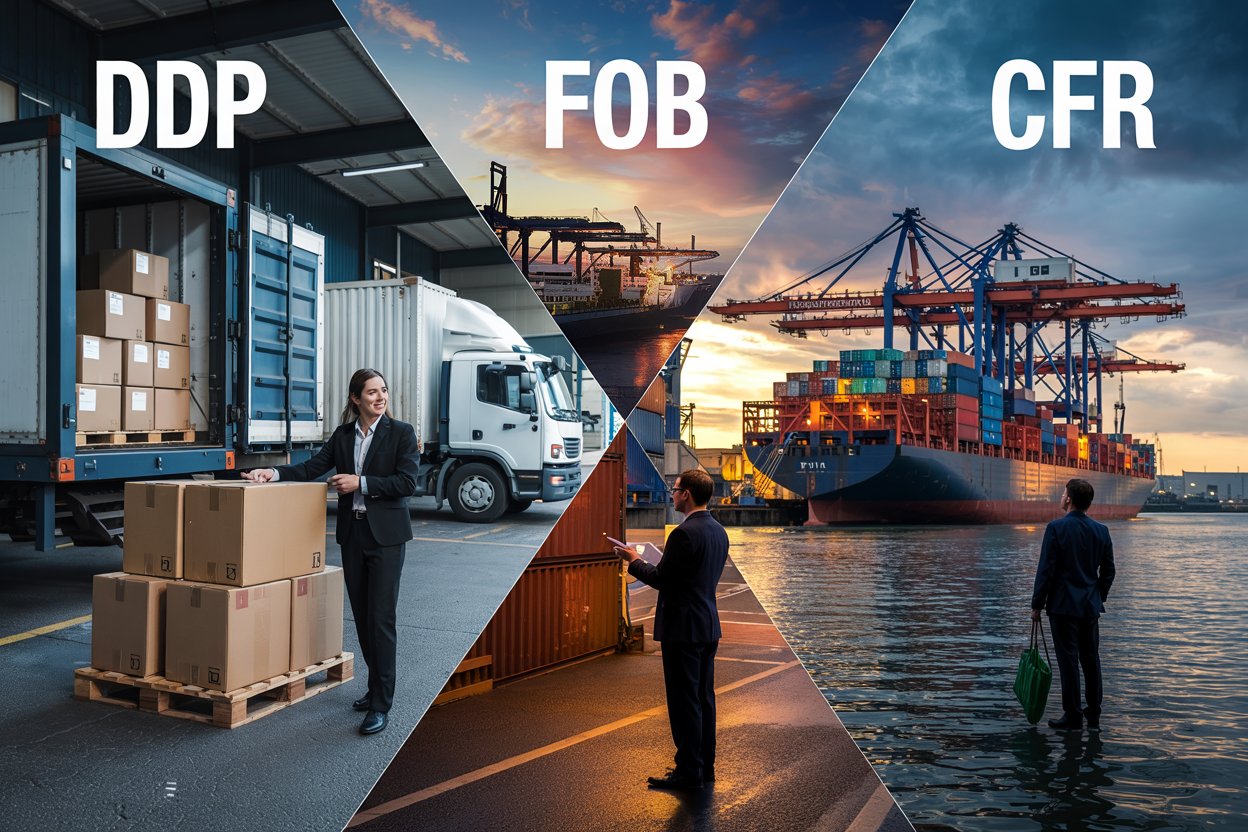
In simple terms, DDP (Delivered Duty Paid) shipping means the Chinese exporter takes full responsibility for delivering goods to the buyer’s door in Europe — including shipping, customs, and all import taxes.
It’s convenient but not always transparent. For professional importers, FOB (Free on Board) and CFR (Cost and Freight) are often better long-term choices, offering greater control, lower cost, and stronger compliance with EU regulations.
What Does DDP Shipping Mean in International Trade?
DDP (Delivered Duty Paid) is an international trade term defined by the International Chamber of Commerce (ICC)1.
It means that the seller bears all risks and costs until the goods are delivered to the final destination specified by the buyer.
This includes:
- Export customs clearance in China
- International freight (air, sea, or rail)
- Import customs declaration in Europe
- VAT and duty payments
- Door-to-door delivery
For small importers or e-commerce businesses, DDP simplifies the process — but it also means the buyer loses control over customs declarations, tax records, and compliance documentation.
How Does DDP Shipping Work from China to Europe?
Here’s how a typical DDP shipment works step by step:
- Supplier provides DDP quotation, including freight, taxes, and delivery fees.
- Goods are picked up from the factory in China.
- Export clearance is arranged by the supplier’s agent.
- Cargo is shipped by sea, air, or rail to Europe.
- Import declaration and VAT are handled by the freight agent.
- Goods are delivered directly to the buyer’s address.
While this process sounds easy, importers have little visibility into how taxes are declared or which customs channel is used, which may cause compliance issues with EU authorities.
Why Do Some European Importers Use DDP Shipping?
DDP is popular among small importers who value simplicity.
It removes the need for VAT registration, customs paperwork, and freight coordination.
Advantages:
- One all-inclusive price
- Door-to-door delivery
- No customs handling by the buyer
- Simple process for small test orders
However, when your business grows, DDP may not be ideal anymore. You’ll need invoice transparency, VAT claim records, and full shipping control, which are better achieved with FOB or CFR.
Why YOUWE Recommends FOB and CFR Shipping
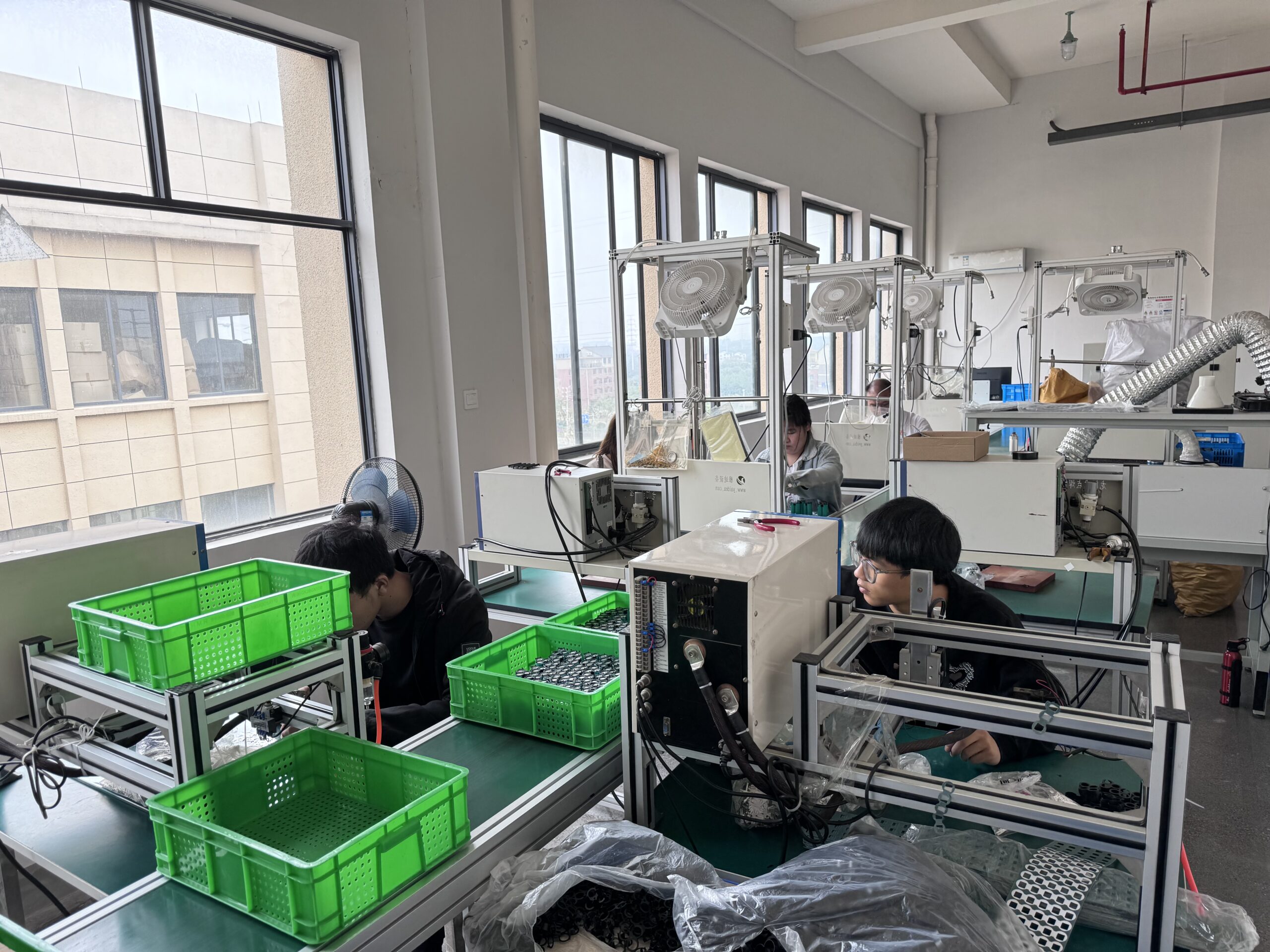
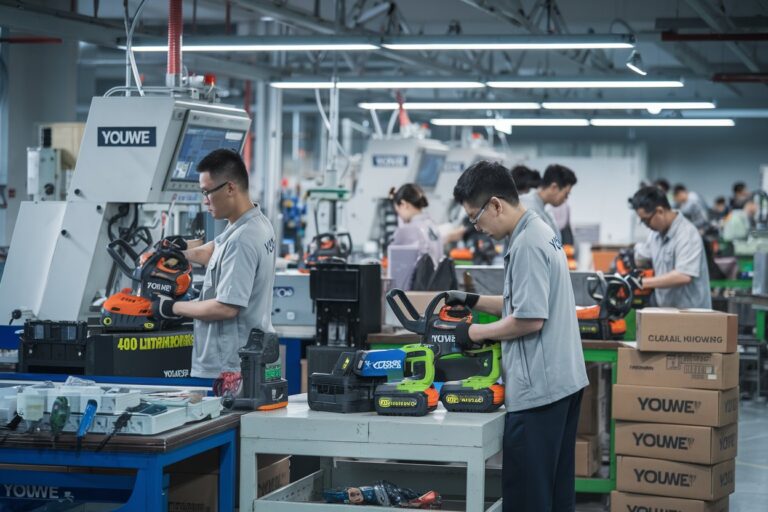
At YOUWE GARDENTOOLS, we’ve spent over 20 years exporting lithium cordless power tools2 and garden tools3 to Europe.
We understand that successful trade is not only about products — it’s about smooth, compliant delivery.
We mainly operate under FOB and CFR shipping terms:
- FOB (Free on Board): We handle everything up to vessel loading — production, inspection, packing, customs clearance — while you manage freight and import customs.
- CFR (Cost and Freight): We also include sea freight to your destination port, giving you predictable shipping costs and the freedom to manage local clearance.
This approach ensures you get transparency, control, and flexibility, while we guarantee on-time production and professional export documentation.
1. Strong Port Network and Reliable Forwarding
We have direct connections with Ningbo, Shanghai, and Yiwu ports, working closely with top freight forwarders to secure vessel space and guarantee on-time loading, even in peak seasons.
2. Complete Export Documentation
All YOUWE shipments include CE/GS/RoHS certificates, packing lists, invoices, HS codes, and DG (Dangerous Goods) reports for lithium batteries.
Our export files comply with all EU customs and safety regulations.
3. DG-Certified Lithium Battery Handling
Lithium batteries are shipped under IATA and IMDG standards, using certified packaging and labeling.
We separate the tools, batteries, and chargers when necessary to ensure smooth customs clearance in countries like Germany and Italy.
4. 98% On-Time Shipment Rate
By managing production and logistics planning together, YOUWE maintains an on-time delivery rate above 98%, giving importers full confidence during seasonal demand peaks.
5. Transparent Communication
From booking to sailing, our team provides real-time tracking with ETD/ETA schedules, container photos, and shipping documents.
You always know where your shipment is, and when it arrives.
We don’t just sell tools — we deliver complete export support that helps your brand grow confidently in the European market.
How Should Importers Choose Between DDP, FOB, and CFR?
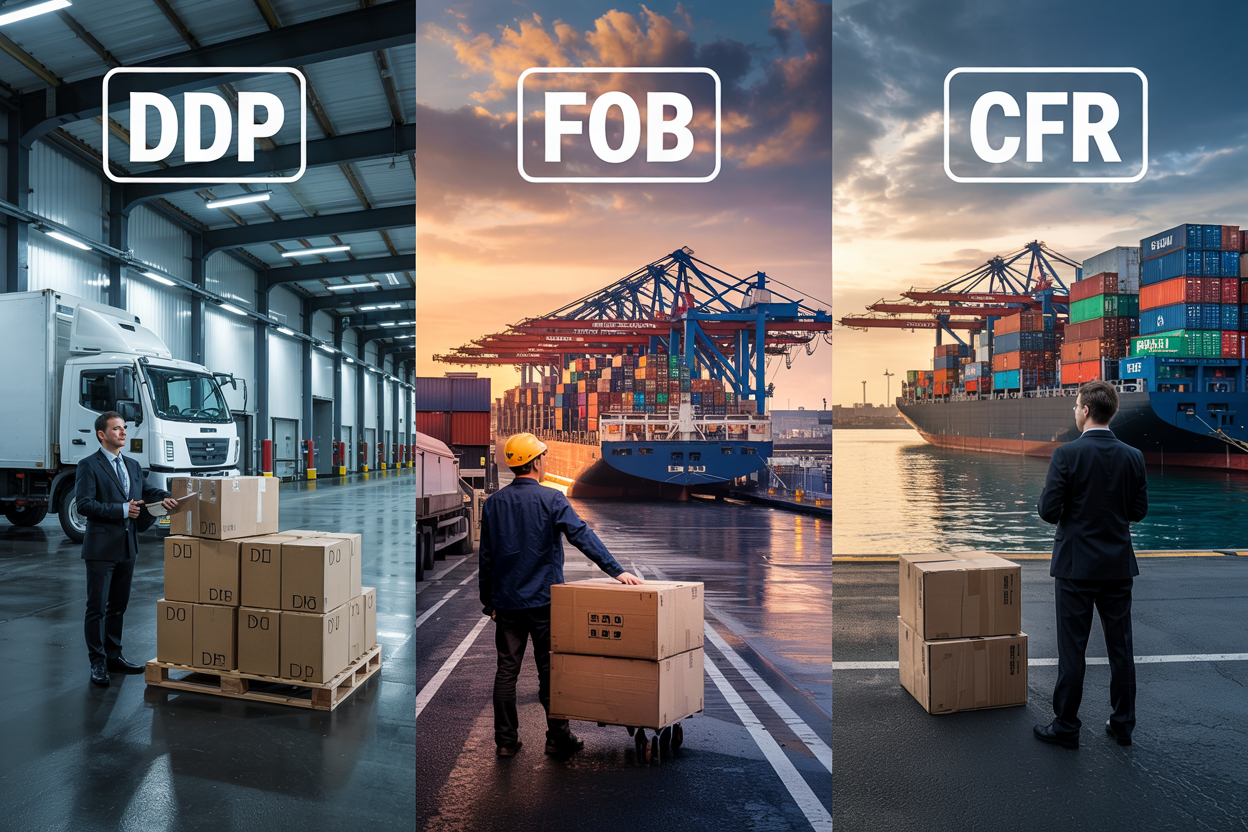
Each shipping term offers a different level of control and responsibility. Here’s how they compare:
| Shipping Term | Who Handles Customs | Who Pays Freight | Control Level | Best For |
|---|---|---|---|---|
| DDP | Seller | Seller | Low | New importers, e-commerce stores |
| FOB | Buyer | Buyer | High | Experienced importers with their own forwarder |
| CFR | Buyer | Seller | Medium | Importers who want fixed sea freight cost |
1. DDP – Convenience for Beginners
DDP is suitable for small-volume importers or those testing the market.
The exporter manages all logistics and customs, so you can focus on sales.
However, because the import is made under another company’s name, you cannot reclaim VAT or use the shipment as an official tax record — which limits your growth potential.
2. FOB – The Professional Standard
FOB gives you full visibility and control.
YOUWE manages production and export up to vessel loading, and you manage freight, insurance, and customs with your trusted partners.
This setup is the most popular among European importers because it’s transparent, cost-effective, and fully compliant with EU import laws.
Under FOB, you can:
- Combine multiple supplier shipments in one container.
- Declare accurate VAT through your local agent.
- Optimize freight and insurance costs directly.
3. CFR – Balanced and Predictable
CFR is often chosen by importers who want to know the total freight cost in advance.
YOUWE arranges sea transportation to your destination port, while you handle customs clearance and inland delivery.
It saves time during order planning and offers a good balance between convenience and control.
From Sourcing to Shipping: The Complete Import Process
If you’re new to importing from China, here’s a simplified step-by-step process that most European buyers follow:
Step 1: Search for products on platforms like Made-in-China, Alibaba, or Google using relevant keywords.
Step 2: Identify potential suppliers that match your product needs.
Step 3: Screen suppliers — check factory scale, certifications, and export experience.
Step 4: Request samples and test the product performance.
Step 5: Optimize or modify based on feedback, then confirm the final sample.
Step 6: Agree on payment terms and production timeline.
Step 7: Finalize packaging, color, and branding details.
Step 8: Production begins — pay the supplier as agreed.
Step 9: Contact your freight forwarder and arrange shipping (FOB or CFR).
Step 10: Receive goods, complete customs clearance, and start distribution in your market.
At YOUWE, we assist our clients through each of these steps, from product customization to export documentation — ensuring your import journey is professional, transparent, and efficient.
Frequently Asked Questions (FAQ)
1. Can YOUWE help me find a freight forwarder in Europe?
Yes. While we don’t offer DDP directly, we work with reliable logistics partners who handle door-to-door delivery for our clients.
If you don’t have a forwarder, we can recommend professionals familiar with EU import rules and lithium tool transport.
2. Which ports do YOUWE ship from?
Mainly from Ningbo, Shanghai, and Yiwu, serving European destinations like Hamburg, Rotterdam, Valencia, and Genoa.
These ports ensure fast loading and stable sailing schedules.
3. How do you handle lithium battery shipments?
We follow IATA, IMDG, and UN38.3 standards. Batteries are packed separately under DG rules and shipped safely by certified carriers.
4. Can YOUWE consolidate multiple products in one container?
Yes. We support mixed container shipments, combining multiple models to save freight cost and optimize inventory management.
5. What’s the average shipping time to Europe?
- Sea (CFR): 25–35 days
- Air (FOB or EXW): 7–10 days
- Rail: 20–25 days
We plan each shipment carefully to ensure on-time delivery, especially during peak export months.
Conclusion
DDP shipping can simplify imports for beginners, but FOB and CFR are the smarter choices for professional buyers who value transparency and control.
At YOUWE GARDENTOOLS, we not only manufacture quality cordless tools — we help you build a reliable, compliant, and cost-effective supply chain from China to Europe.
In summary:
- We export under FOB and CFR for maximum transparency.
- We provide all EU-required documents for customs clearance.
- We coordinate closely with your forwarder to ensure smooth shipment.
- We help importers reduce risks, save costs, and grow sustainably.
If you’re ready to streamline your sourcing and logistics from China, visit www.cnyouwe.com or contact us at 📧 [email protected].
[mark]
-
The ICC sets important trade terms that impact global shipping practices. ↩
-
Explore this resource to discover top-rated power tools that enhance efficiency and performance in gardening tasks. ↩
-
Explore this resource to discover top-rated garden tools that enhance efficiency and productivity in your gardening tasks. ↩