
I speak with importers from Italy, Spain, Germany, and Latin America every week. Many tell me the same thing. It is hard to identify a stable and capable Chinese garden tool exporter when product quality, certification rules, and battery regulations keep changing.
The top Chinese garden tool exporters in 2025 are companies with strong battery platforms, full certification support, stable QC systems, and proven export coverage across Europe and global markets.
I write this guide because many buyers ask me how to compare exporters, how to read certifications, and how to avoid unstable suppliers. My work in YOUWE Garden Tools gives me a clear view of how the supply chain works from the inside. I want to share this with global importers so you can make better choices.
What Global Importers Look for in a Chinese Garden Tool Exporter?
I see a clear pattern when I talk with European and Latin American buyers. They want stable quality, real certifications, and a supplier who understands OEM and ODM work1.
Global importers look for reliable QC, full documentation, CE/GS/EMC compliance, battery system stability, and strong OEM/ODM capability when choosing a Chinese garden tool exporter.
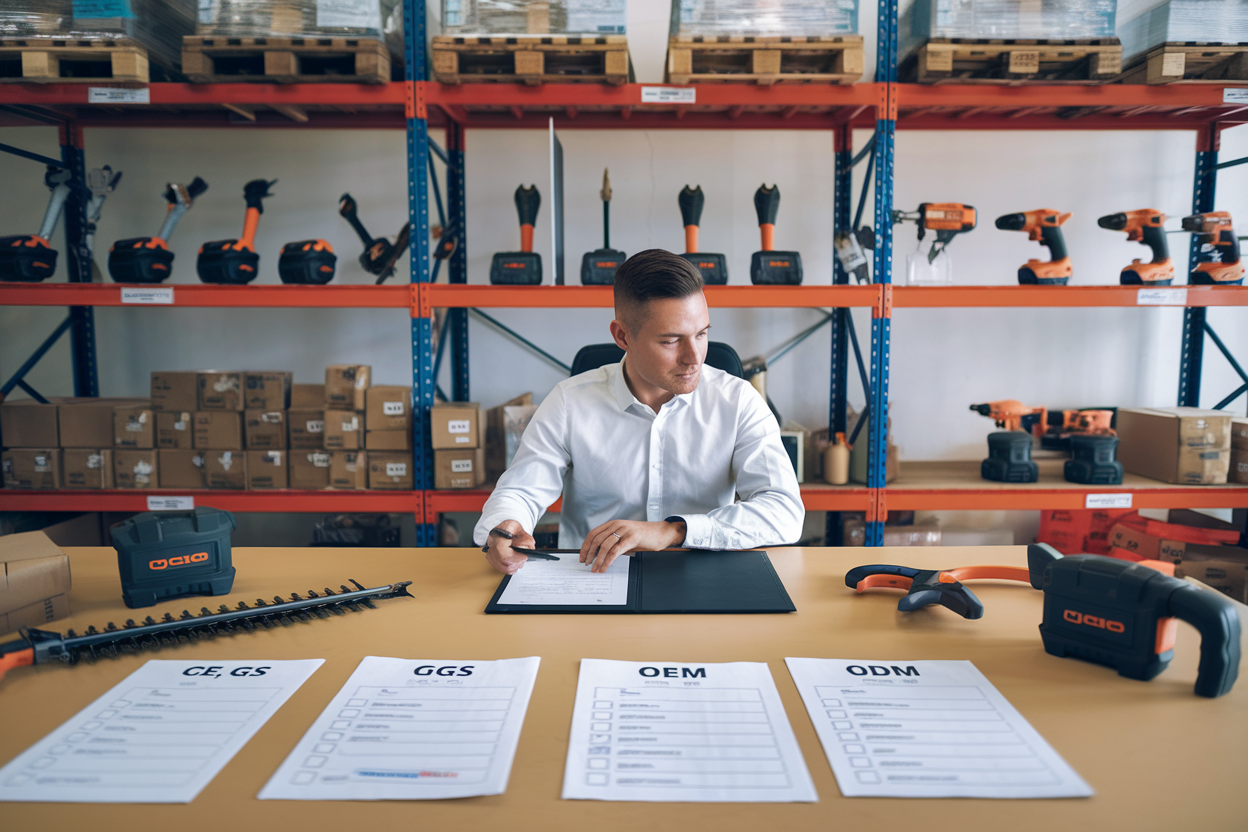
I spend a lot of time helping importers choose the right models and battery platforms2. These buyers care about real production strength, stable assembly lines, and fast engineering support. I will go deeper into these points because they decide how well an importer can build a long-term product line.
Why importers need stable battery platforms
Many importers now sell full cordless tool systems. A stable 21V or 40V battery platform helps them connect tools under one product line. A weak supplier may use mixed cells or inconsistent BMS parts. This creates field failures, returns, and warranty pressure. I see this often in Europe.
Why OEM and ODM capability matters
Importers need short development cycles and fast sampling. OEM buyers require brand customization and packaging work. ODM buyers need new models, new structure parts, and long-term engineering. A good exporter must support both.
Key factors importers compare
Here is a simple table I often use when helping buyers evaluate suppliers:
| Factor | Why It Matters | What Importers Expect |
|---|---|---|
| Battery system | Affects runtime and tool stability | 21V/40V stable platform |
| Certifications | Needed for EU customs and retail | CE, GS, EMC, RoHS |
| QC system | Ensures long-term consistency | IQC → IPQC → OQC |
| Lead time | Impacts inventory planning | 30–45 days standard |
| OEM service | Supports private label | Logo, color, box design |
| Export experience | Reduces shipping risk | Many EU cases |
I watch these points in every project I handle. They help buyers avoid unstable exporters and protect their brand reputation.
Which Chinese Garden Tool Exporters Lead the Market in 2025? (Ranked by Capability, Products, and Export Coverage)
Buyers ask me each month which companies in China provide stable garden tools, real certification support, and flexible OEM work. The list changes with the market.
The leading Chinese garden tool exporters in 2025 are companies with mature battery systems, strong factory control, active R&D, and broad export coverage across Europe, Asia, and Latin America.
I will not compare brands by marketing claims. I compare them the way importers do. I look at battery systems, real CE files, GS certificates, export markets, QC strength, and how they support OEM and ODM work.
How exporters are ranked in 2025
Exporters are no longer judged only by product price. Buyers want stable partners who can pass audits, provide full documentation, and support long-term projects. A strong exporter must combine R&D, consistent production, and export service.
Key ranking dimensions buyers use
Importers in Italy, Spain, and Germany compare exporters using clear metrics. These include:
| Ranking Dimension | What Buyers Check | Typical Requirement |
|---|---|---|
| R&D capability | Motor, battery, structure | New models every season |
| Certification strength | CE, GS, EMC | Full test reports + DoC |
| Market coverage | EU, LATAM, Asia | Proven export routes |
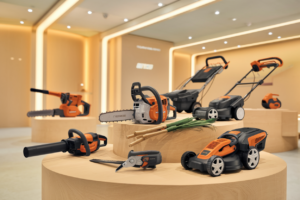
| Tool categories | Chainsaw, shear, trimmer | Full cordless line |
| OEM/ODM capacity | Design, packaging, color | Strong in-house team |
| Quality control | Structure, battery, noise | Stable performance |
Why YOUWE appears in many buyer shortlists
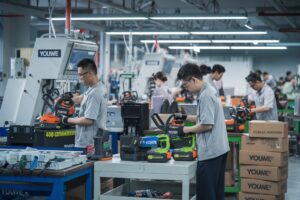
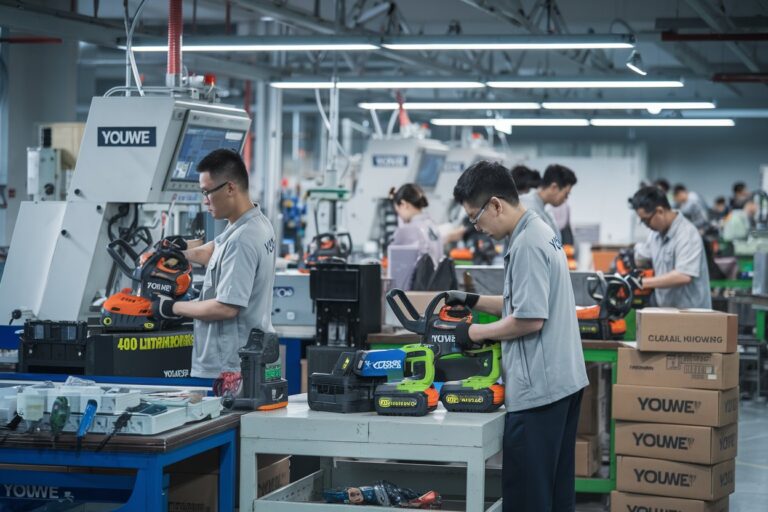
Since 2009, many European buyers place us on their shortlist because we control our own battery assembly, maintain long-term QC systems, and support both OEM and ODM. Importers prefer exporters who can take a project from sampling to certification to mass production without delay. This is where strong exporters stand out.
What to Watch for When Choosing a China Garden Tool Exporter?
I meet many buyers who suffered losses because of unstable exporters. They face delays, certification issues, and quality inconsistency.
Importers must watch for unstable QC, fake certifications, weak battery systems, and exporters who cannot support long-term OEM or ODM requirements.
I often get messages from importers who need help because their previous exporter failed a CE or GS review. Some buyers face customs delays due to incorrect labels. These problems come from suppliers with weak systems.
Signs of an unstable garden tool exporter
I list the common problems that importers face when exporters do not have strong production or QC strength.
| Warning Sign | What Happens in Real Cases |
|---|---|
| Mixed battery cells | Short runtime and sudden shutdown |
| Fake CE files | Customs detention |
| Weak QC | Loud noise, vibration, heating |
| No R&D team | No seasonal updates |
| Delayed lead time | Stock-out and retail pressure |
| Unstable parts sourcing | Motor failure or blade breakage |
Why cheap exporters often cause long-term problems
Some companies sell at very low prices. They cut costs by using low-grade cells, cheaper blades, or weaker motors. These problems are not visible in photos. They appear during real field work. I hear this from many vineyard buyers and landscape contractors in Europe.
How to check if an exporter can support your market
Importers should ask for real test reports, check noise levels, verify battery Wh, and review DoC files. A serious exporter always provides these. If they avoid these questions, it is a red flag.
Certifications & Compliance Importers Must Require in 2025?
Regulations in Europe continue to change. Battery rules, noise limits, and CE label requirements are updated more often than before.
Importers must require CE, GS, EMC, RoHS, battery test reports, noise data, and complete labeling documents when working with Chinese garden tool exporters in 2025.
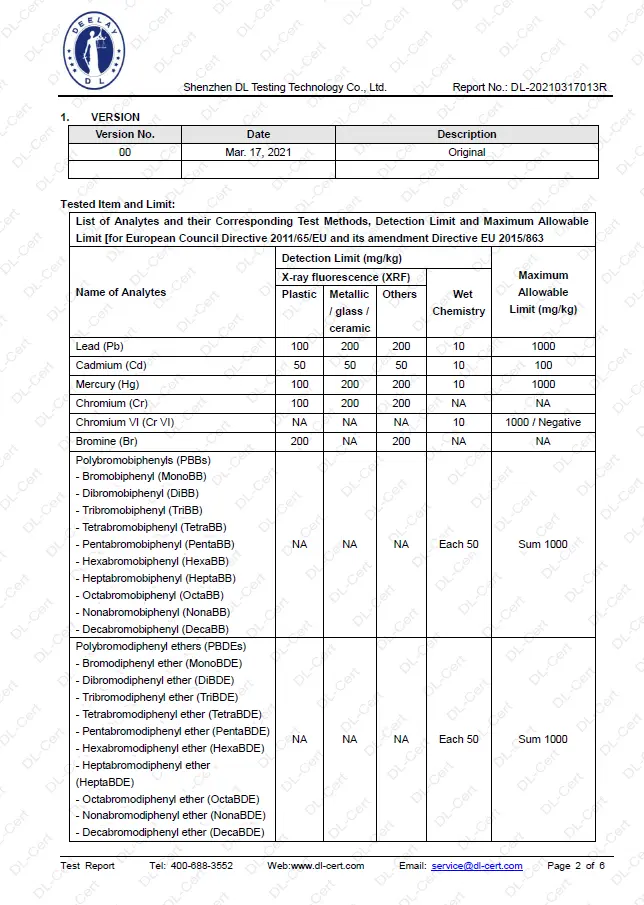
I handle certification files for many customers each year. I see how strict audits become. Importers now need complete documentation, not only a simple certificate.
Essential certifications for garden tools
These certificates protect importers during customs clearance and retail audits.
| Certification | Purpose | Required For |
|---|---|---|
| CE | EU compliance | All tools |
| EMC | Electromagnetic safety | Motors + PCBA |
| RoHS | Material safety | EU retail |
| GS | High safety standard | Germany-focused buyers |
| Battery test report | Safety of cells + pack | All cordless tools |
Why paperwork accuracy decides customs clearance
Incorrect CE labels cause many problems. Importers must check model number, voltage, Wh value, importer address, and safety icons. Customs officers in Europe check these details often.
Why strong exporters help with certification reviews
A good exporter prepares full files before mass production. This includes DoC, test reports, drawings, labels, and packaging layout. This reduces risk for European buyers who often work with tight retail schedules.
Conclusion
Garden tool importers in Europe and global markets need exporters with stable systems, strong compliance work, and real OEM and ODM support. I share these points so buyers can avoid common risks and build long-term product lines.