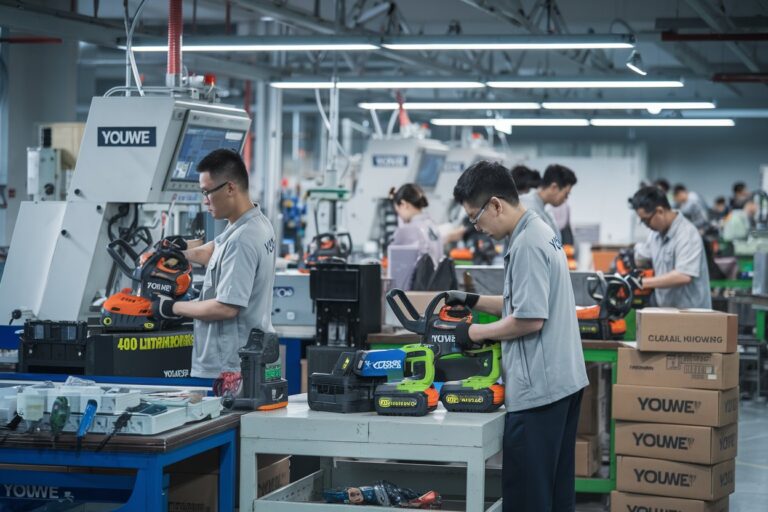

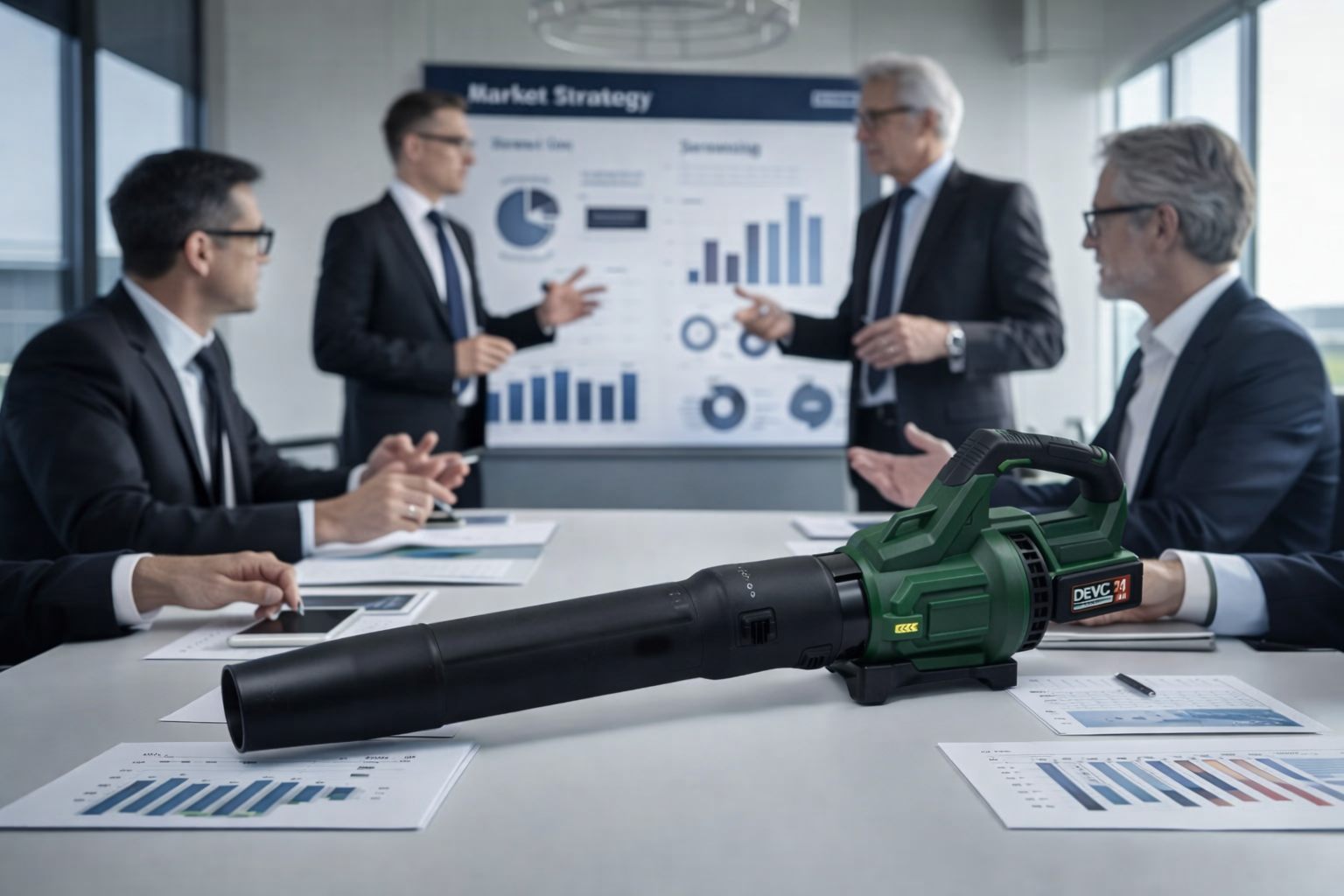
As the person responsible for YOUWE GARDENTOOLS1, I have spent more than 20 years working in lithium cordless garden tools, from early-stage product development to large-scale manufacturing, certification, and long-term export cooperation.
Over the years, I have worked with many companies that were not originally in the power tool industry. What they share is not technical background, but a clear business mindset and a strong focus on risk control.
This article is written for companies that are not looking for a cheap supplierhttps://youwegardentools.com/21v-electric-pruning-shear-manufacturer-in-china/, but for a reliable manufacturing partner2 to support their first step into lithium cordless tools3.
Why Are Non-Power-Tool Companies Choosing Lithium Cordless Tools as Their First Entry?
Non-power-tool companies are choosing lithium cordless tools first because this category combines strong market demand, manageable technical complexity, and high perceived value without requiring heavy in-house manufacturing investment.
In real projects, we see that lithium cordless tools allow companies to enter the market without changing their core business structure. Compared with petrol tools, there is no engine-related regulation or complex servicing network. Compared with corded tools, lithium cordless products offer better positioning and long-term growth potential.
Most importantly, this category allows companies to focus on what they already do well, such as sales, branding, and channel development, while relying on experienced manufacturers to manage the technical and production side.
What Are the Real Risks When Entering Lithium Cordless Tools for the First Time?
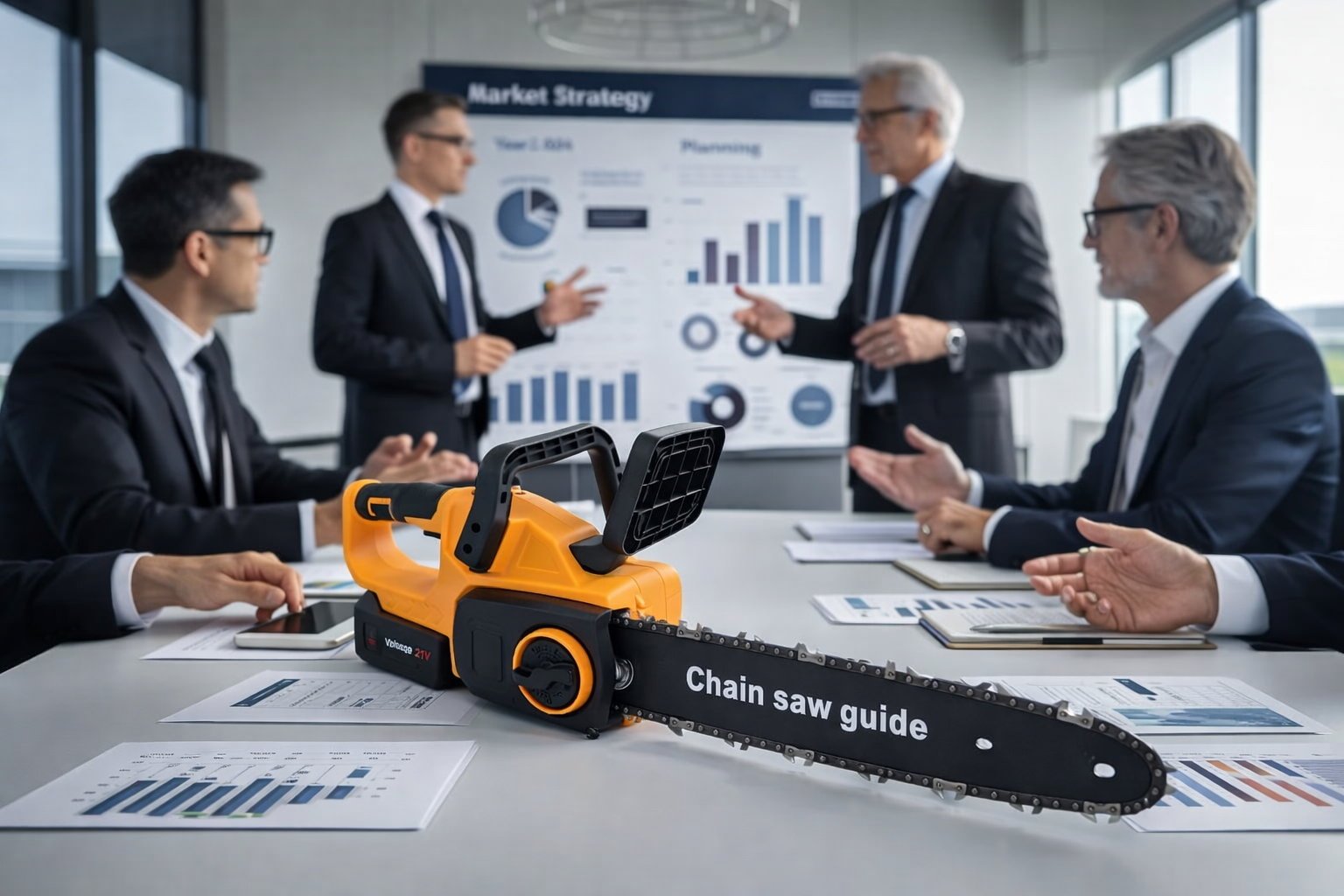
The main risks of entering lithium cordless tools are linked to battery platform decisions, certification planning, product selection, and supplier capability, rather than the unit price of the product.
From our experience, problems rarely appear at the quotation stage. They appear later, when the product needs to scale, when certification is required, or when the market asks for line extension.
An unsuitable battery platform can limit future products.
Incomplete certification planning can delay or block market entry.
A supplier without long-term planning often struggles to support consistency and upgrades.
Companies that succeed are not those who avoid risk, but those who identify these risks early and work with partners who have already solved them before.
Do You Need Deep Lithium Battery Knowledge Before You Start?
You do not need deep lithium battery expertise to enter this market, but you must ensure that critical battery decisions are handled by a manufacturer with proven system-level experience.
In practice, our customers do not need to understand cell chemistry or BMS programming. What they need is confidence that the battery system is safe, compliant, stable, and suitable for future expansion.
This is why we always advise companies to focus less on technical details and more on whether the manufacturer has a mature battery platform, clear documentation, and long-term supply planning.
Choosing the right battery system at the beginning determines how flexible and scalable the business will be later.
Should You Start With a Full Product Line or a Single Proven Model?
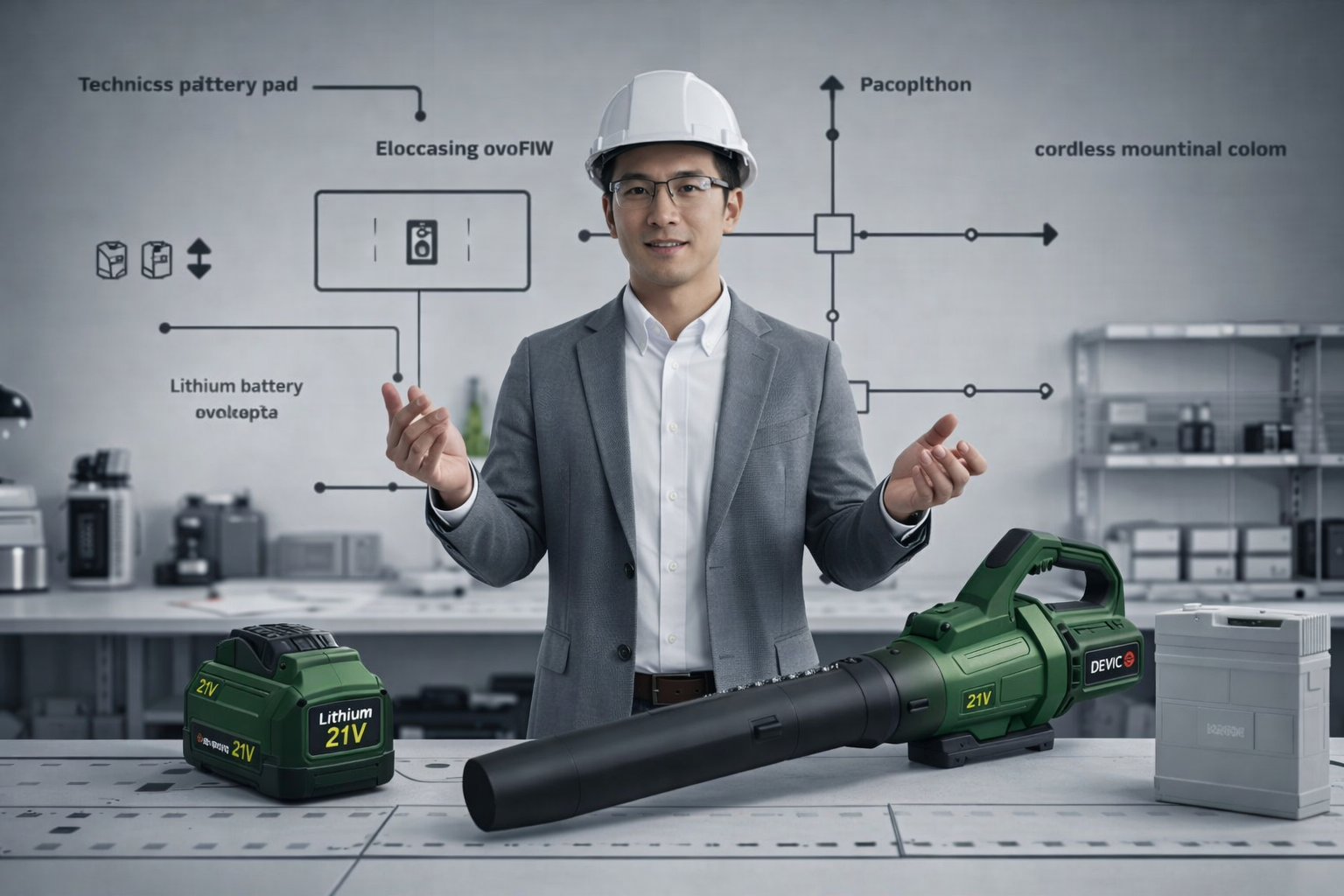
For companies entering lithium cordless tools for the first time, starting with one or two proven models is more effective and significantly reduces operational risk.
In our experience, launching too many models at the beginning creates pressure on inventory, training, certification4, and after-sales service, often before the market response is clear.
A focused start allows companies to collect real feedback from distributors and end users. It also gives manufacturers room to optimize production, quality control, and packaging details based on actual market needs.
This approach leads to faster learning, cleaner internal alignment, and stronger long-term results.
How Can an OEM or ODM Manufacturer Reduce Your Market Entry Risk?
An experienced OEM or ODM manufacturer reduces market entry risk by offering validated product platforms, stable battery systems, certification support, and a clear path for future product expansion.
At this stage, the manufacturer is not just producing products. They are helping define what is realistic, what should be postponed, and what must be decided early.
From battery platform selection to certification timing and production planning, experienced manufacturers help companies avoid costly trial-and-error. This is especially important during the first project, when brand reputation is most vulnerable.
This is also why many companies prefer to work with manufacturers who have long-term experience in [lithium}(https://youwegardentools.com/why-lithium-battery-garden-tools-dominate-the-european-market/) cordless tools, rather than suppliers who only focus on short-term orders.
How Do You Know If You Are Ready to Take the First Step?
If your company has established sales channels, clear target customers, and a structured approach to market testing, you are likely ready to enter lithium cordless tools.
Most companies do not lack capability. They lack clarity on how to start safely.
With a defined entry scope, a limited number of models, and a manufacturing partner who understands both technology and market realities, the first step becomes controlled and predictable.
At this point, the most valuable action is often not placing an order, but having a professional discussion about feasibility, risks, and roadmap.
Final Thoughts
Lithium cordless tools represent a long-term opportunity, not a short-term experiment.
Companies that succeed in this category are those that treat the first project as a foundation, not a test. They choose partners who understand systems, compliance, and long-term cooperation5, not just product assembly.
If, while reading this article, you felt that these questions match your own concerns, then you are already approaching this market in the right way. The next step is not to move faster, but to move with the right partner.
A Practical Next Step Before Making Any Decisions
If you are seriously evaluating lithium cordless tools as a new product category, the most useful step is often not requesting a quotation or committing to a sample order.
At this stage, a structured discussion with an experienced manufacturer can help clarify whether your business is ready, which products make sense to start with, and where the real risks are likely to appear. For many companies we work with, this early conversation becomes a way to validate assumptions, avoid unnecessary complexity, and define a realistic entry path before resources are locked in.
If you would like to explore whether lithium cordless tools fit your business model and how to approach the first step with controlled risk, an open and technical discussion is usually the best place to begin.
-
Explore YOUWE GARDENTOOLS to understand their expertise in lithium cordless tools and how they can be a reliable manufacturing partner. ↩
-
Explore this link to understand the key qualities that define a reliable manufacturing partner in the lithium cordless tools industry. ↩
-
Discover why lithium cordless tools are becoming the go-to choice for companies entering the market, offering insights into their advantages. ↩
-
Explore this resource to understand certification best practices, ensuring compliance and market readiness for your lithium cordless tools. ↩
-
Explore the advantages of establishing long-term cooperation with manufacturers in the lithium cordless tools industry. ↩